Article Highlights
- The most secure door lock depends on your door type, with different options suited to timber entry doors, sliding doors, security screen doors and internal spaces.
- Deadbolts, mortise locks, Euro cylinder door locks, and multipoint locks offer strong physical protection, especially when fitted to exterior doors with reinforced frames and quality door hardware.
- Smart locks and keyless entry locks add convenience, but they should still be supported by strong mechanical hardware, secure cylinders and weather-resistant materials.
- Electric strikes are best suited to controlled entry points, allowing doors, gates, offices and apartment entries to be released electronically through a keypad, intercom, swipe card system or remote button.
- Sliding door locks need extra attention, as standard sliding doors can often be lifted, jimmied or forced open without the right lock and frame protection.
- Security screen door locks should use a three-point locking system, helping the screen door secure at the top, middle and bottom for better resistance against forced entry.
Every lock on your door handles a simple job: keep unwanted visitors out. But not all locks do it equally well. In the twelve months to February 2023, around 2 per cent of Australian households (194,100 homes) experienced a break-in, according to the Australian Bureau of Statistics. What’s more telling is that 45 per cent of offenders were able to damage or tampered with doors and windows to get in.
Locking your door is the first step. Choosing the right secure lock is the second.
The challenge is that “most secure” isn’t a one-size-fits-all answer. A solid timber front door needs different hardware to a sliding security screen door. A coastal Perth home faces salt-air corrosion that an inland property doesn’t. And if you’re upgrading an older door, you’ll want to know which lock types suit your existing frame and budget.
Below, we’ll walk through the most secure door lock options for different door styles, explain what Australian Standards actually mean, and show you how to match the right security door lock to your home.
Understanding Australian Lock Standards
Before you compare different door locks and hardware, it helps to understand how locks are graded in Australia. Mechanical locksets are tested under AS4145.2-2008, which assigns two main ratings: security (S1 to S9) and durability (D1 to D9). These ratings help show how well a lock may resist physical attack, repeated use and forced entry. Grade S7 or higher is considered “security grade”, and Grade D is the toughest residential durability standard.
For security screen doors, the bar is even higher. A genuine security screen door also needs the right mesh, frame, hinges, installation method and locking system. A door can only be marketed as a “security screen door” if it passes dynamic impact and jemmy tests under AS5039-2008 or AS5041-2003 whilst fitted with a three-point lock.
A single lock on a weak frame will not provide the same level of protection as a properly fitted security door with multipoint locking. Single-point locks downgrade the door to a “barrier door”, which offers far less protection against forced entry.
If a lock doesn’t meet these benchmarks, it’s not truly secure, no matter what the packaging claims. That’s why the best lock is not always the most expensive option. It’s the one designed for your specific door type and security needs.
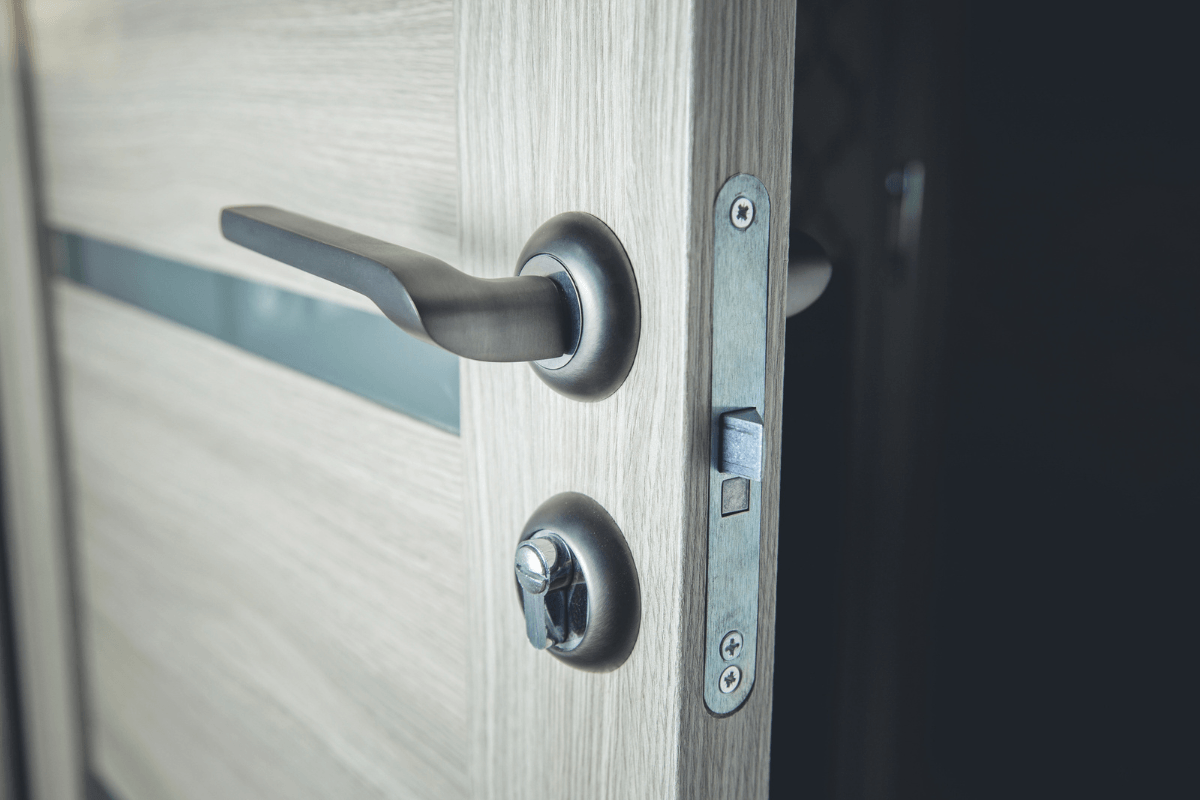
Secure Door Lock Options for Exterior Doors
Cylinder Locks and Euro Cylinder Door Locks
Cylinder locks are one of the most common door lock types used in residential and commercial properties. The cylinder is the part of the lock where the key is inserted. When you turn the key, the cylinder activates the locking mechanism inside the door.
Euro cylinder door locks are often used with mortise locks, multipoint locks, sliding door locks and some security door lock systems. They are popular because they are easy to replace, available in a variety of sizes and can suit many types of doors.
A secure cylinder lock should include features that help resist picking, drilling, snapping and bumping. Cheaper cylinders may be easier to force, especially on exterior doors. For better home security, look for a high-quality keyed lock that is designed for security, not just privacy.
Cylinder locks are best suited to:
- Exterior doors
- Security doors
- Sliding security doors
- Doors that need a replaceable keyed lock
- Homes wanting a balance of security and convenience
Deadbolt Door Locks
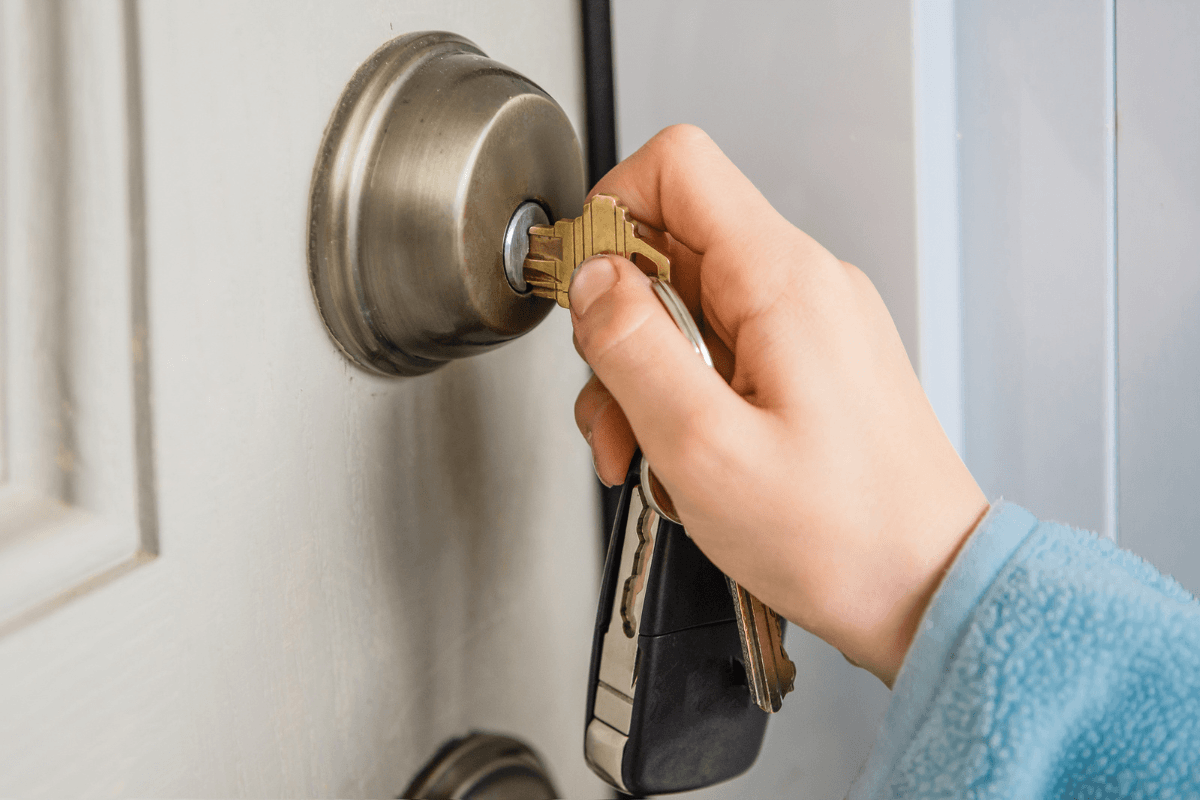
Deadbolts are one of the most trusted options for exterior doors. Unlike a spring latch, a deadbolt uses a solid bolt that extends into the door frame. This makes it much harder to force the door open from the outside.
A deadbolt door lock is ideal for front doors, back doors and other external entry points. For best results, the bolt should extend deep into a reinforced strike plate. The door frame, hinges and surrounding hardware also need to be strong enough to support the lock.
There are two common types of deadbolts:
- Single-cylinder deadbolts, which use a key on the outside and a thumb turn on the inside.
- Double-cylinder deadbolts, which use a key on both sides for added security.
Double-cylinder deadbolts can provide extra protection where there is glass near the lock, but they may not suit every home or fire safety requirement. Always consider how easily people can exit the house in an emergency.
Deadbolt locks are best suited to:
- Solid timber doors
- Aluminium exterior doors
- Front and rear entry doors
- Homes needing a strong secure door lock
- Doors where privacy locks or knob locks are not enough
Mortise Door Locks
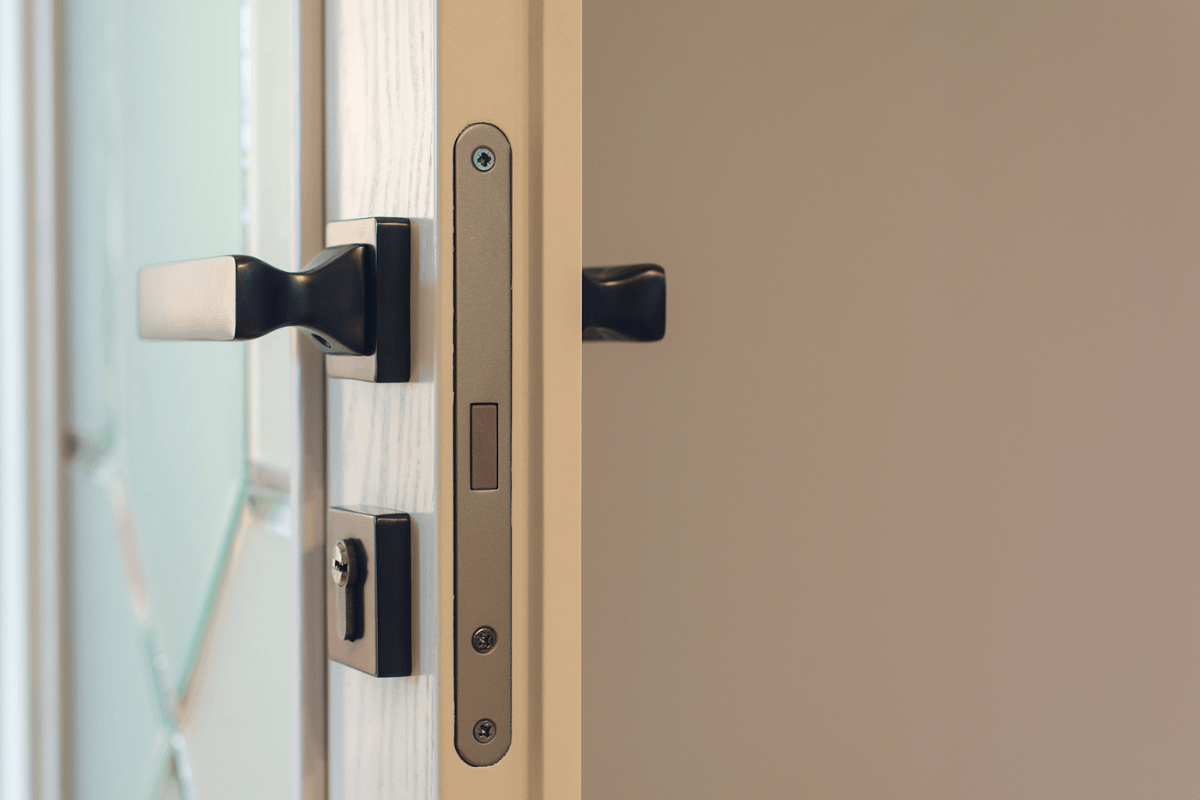
Mortise locks are fitted into a pocket cut into the edge of the door. This makes them more integrated than surface-mounted locks. They are often used on high-quality entry doors, commercial doors and some sliding or hinged security door systems.
A mortise door lock can combine several functions in one unit, including a latch, deadbolt and keyed cylinder. Because the lock body sits inside the door, it can offer a cleaner finish and strong mechanical performance when installed correctly.
Mortise locks are generally more complex to install than standard deadbolts or knob locks. They need accurate fitting, the right door thickness and a compatible frame. This makes professional installation important.
Mortise locks are best suited to:
- Exterior doors
- Commercial doors
- High-use entry doors
- Doors needing stronger internal hardware
- Homes wanting a clean, secure and durable lock option
Smart Door Locks
Smart locks are designed to add convenience to home security. Instead of relying only on a physical key, a smart lock may use a PIN code, app control, fingerprint access, RFID, Bluetooth or Wi-Fi connection.
Smart locks can be useful if you want to provide temporary access to family, trades, cleaners or guests. Many options also allow remote locking, activity logs and alerts when the door is opened.
However, smart locks still need strong mechanical hardware. The electronic features may be convenient, but the lock still needs to resist impact, tampering and weather exposure. For exterior doors in Perth, weather resistance is especially important, particularly in coastal suburbs where salt air can affect cheaper hardware.
Smart locks are best suited to:
- Main entry doors
- Homes wanting keyless access
- Families who need to manage multiple users
- Short-stay properties
- People wanting remote access and added convenience
Keyless Entry Locks
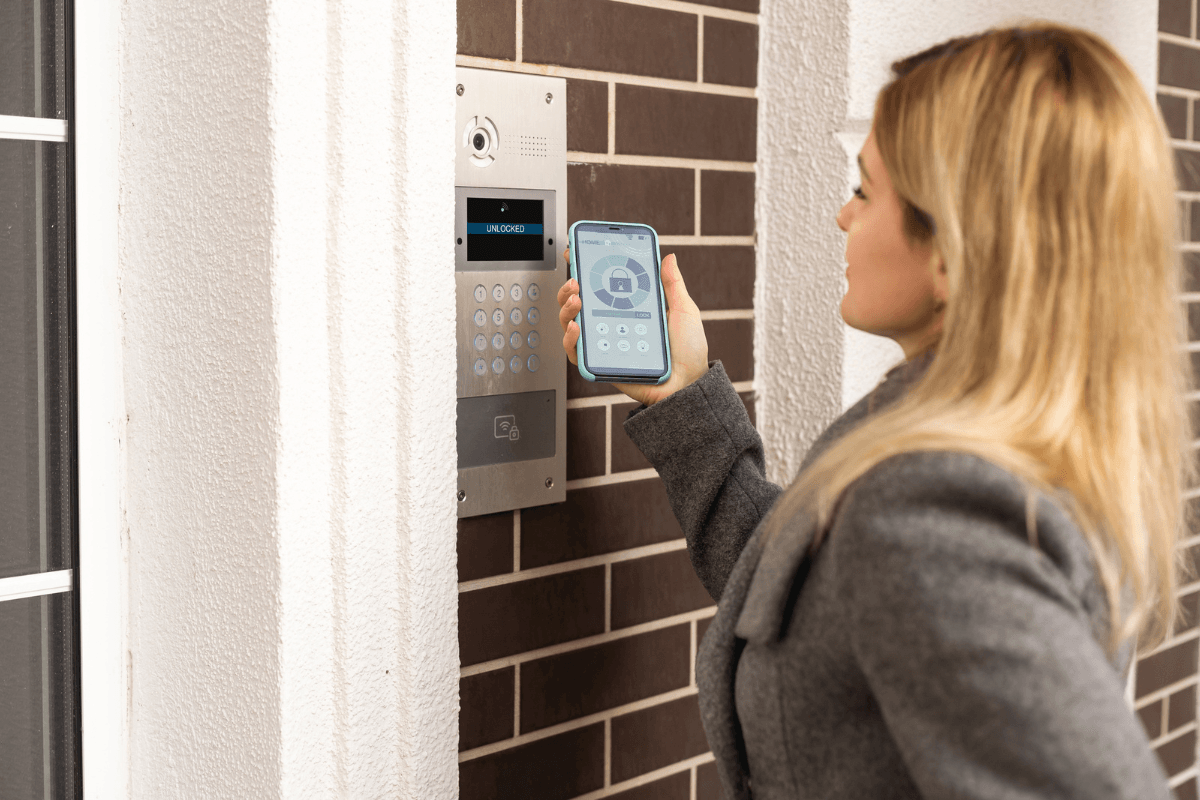
Keyless entry locks remove the need for a traditional key in everyday use. They may use a keypad, digital code, swipe card, fob, biometric reader or mobile app.
These locks are convenient because you do not need to carry a key. They can also reduce the risk of lost keys or copied keys. If access needs to be changed, the code or digital permission can often be updated without replacing the whole lock.
Keyless entry locks can be used on homes, offices, garages and some restricted access areas. The right choice depends on whether the lock is being used for convenience, privacy or high-security access.
Keyless entry locks are best suited to:
- Homes with children or multiple occupants
- Offices and small businesses
- Airbnb or short-stay properties
- Internal access doors
- Entry points where convenience matters
Electric Strikes
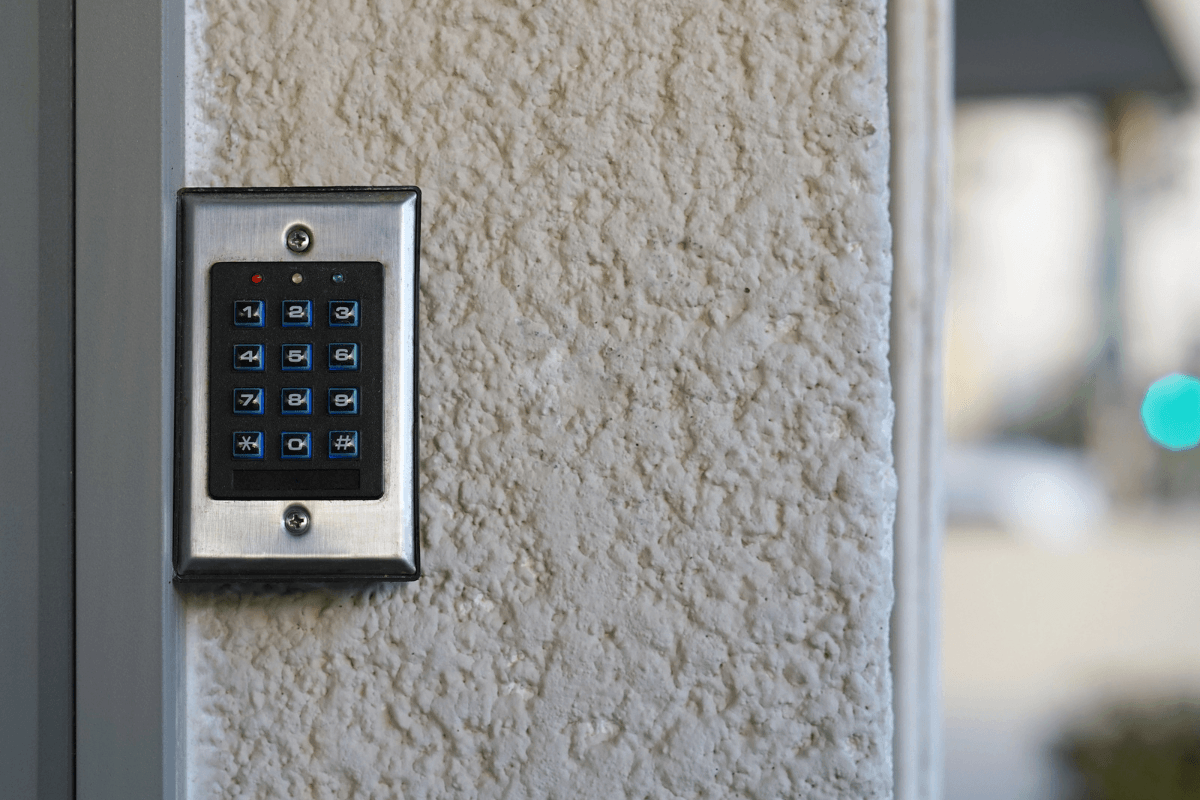
Electric strikes are commonly used in access control systems. They work with a latch or lockset and allow the door to be released electronically. You will often see them in offices, apartment entries, gates and commercial buildings.
An electric strike does not usually replace the main lock. Instead, it works with the lock to control when the door can open. This can be connected to a keypad, intercom, swipe card system or remote release button.
For homes, electric strikes may suit gates, controlled entry points or certain security upgrades. They need to be installed correctly to make sure the door still closes, latches and secures properly.
Electric strikes are best suited to:
- Commercial doors
- Office entry points
- Apartment access doors
- Gates
- Homes with intercom or access control systems
Multipoint Locks
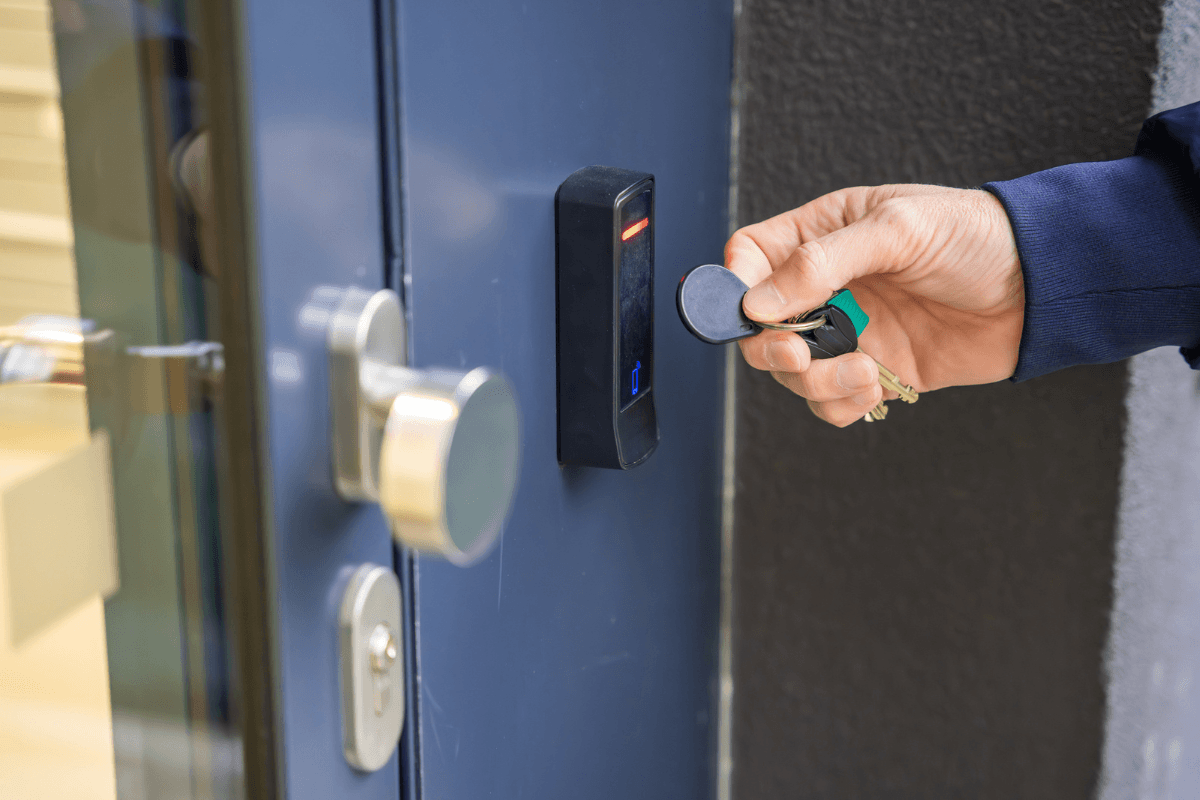
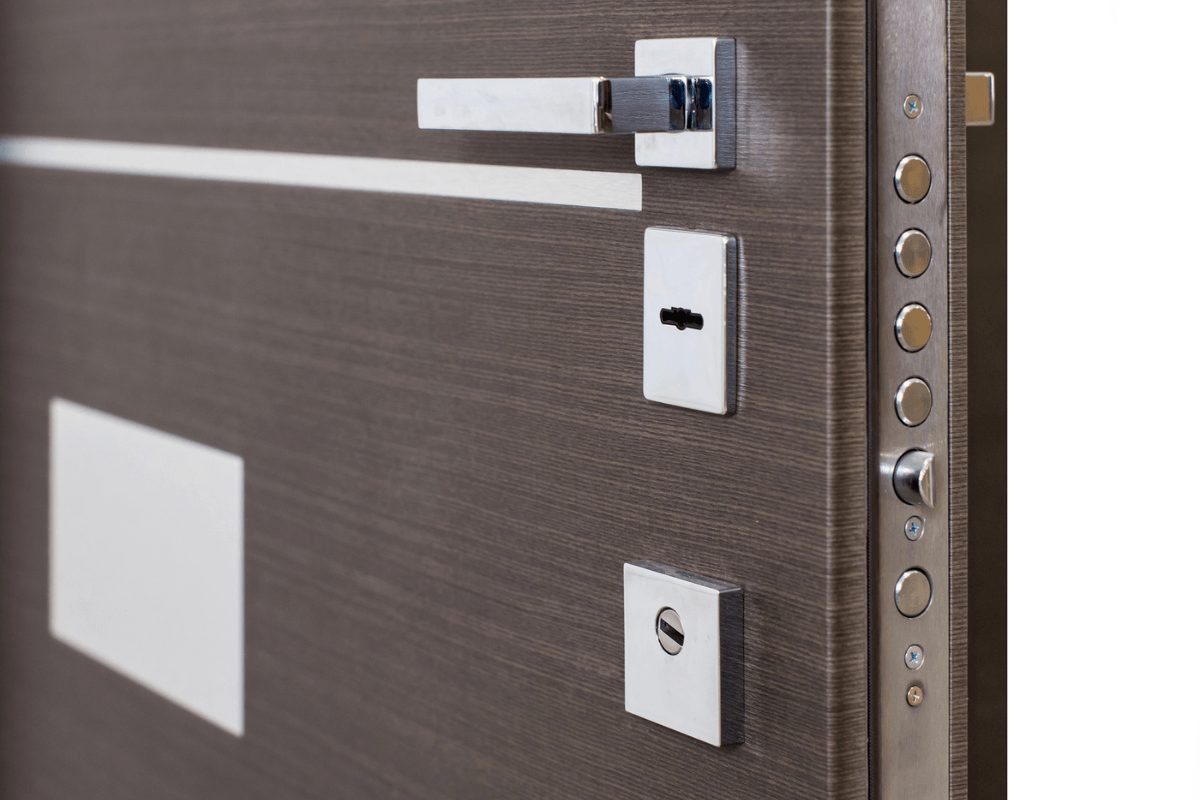
Multipoint locks secure the door at more than one point. Instead of locking only at the handle, they can secure the top, middle and bottom of the door. This helps distribute force across the full height of the frame.
A multipoint lock is one of the strongest options for security doors, sliding security doors and some exterior doors. It makes the door harder to pry, bow or force open because pressure is not concentrated on one single lock point.
For security screen doors, a three-point locking system is especially important. It helps the screen door secure into the frame and improves resistance against forced entry.
Multipoint locks are best suited to:
- Security screen doors
- Sliding security doors
- Large exterior doors
- Doors exposed to higher forced-entry risk
- Homes wanting a stronger security door lock system
Sliding Door Locks
Sliding door locks need special attention because sliding doors operate differently from hinged doors. A standard sliding door lock may only use a simple latch, which can be easier to lift, force or jimmy from outside.
A secure sliding door lock should hold the door firmly into the frame and reduce the risk of the panel being lifted from the track. For glass sliding doors, additional hardware can also help improve protection, such as auxiliary locks, interlocks or key-operated patio bolts.
For a sliding security door, the lock should be matched with a strong frame, quality mesh and a three-point locking system. This helps protect the opening while still allowing airflow, visibility and natural light.
Sliding door locks are best suited to:
- Patio doors
- Rear entry doors
- Sliding glass doors
- Sliding security doors
- Homes with large openings to outdoor spaces
- A range of sliding door services
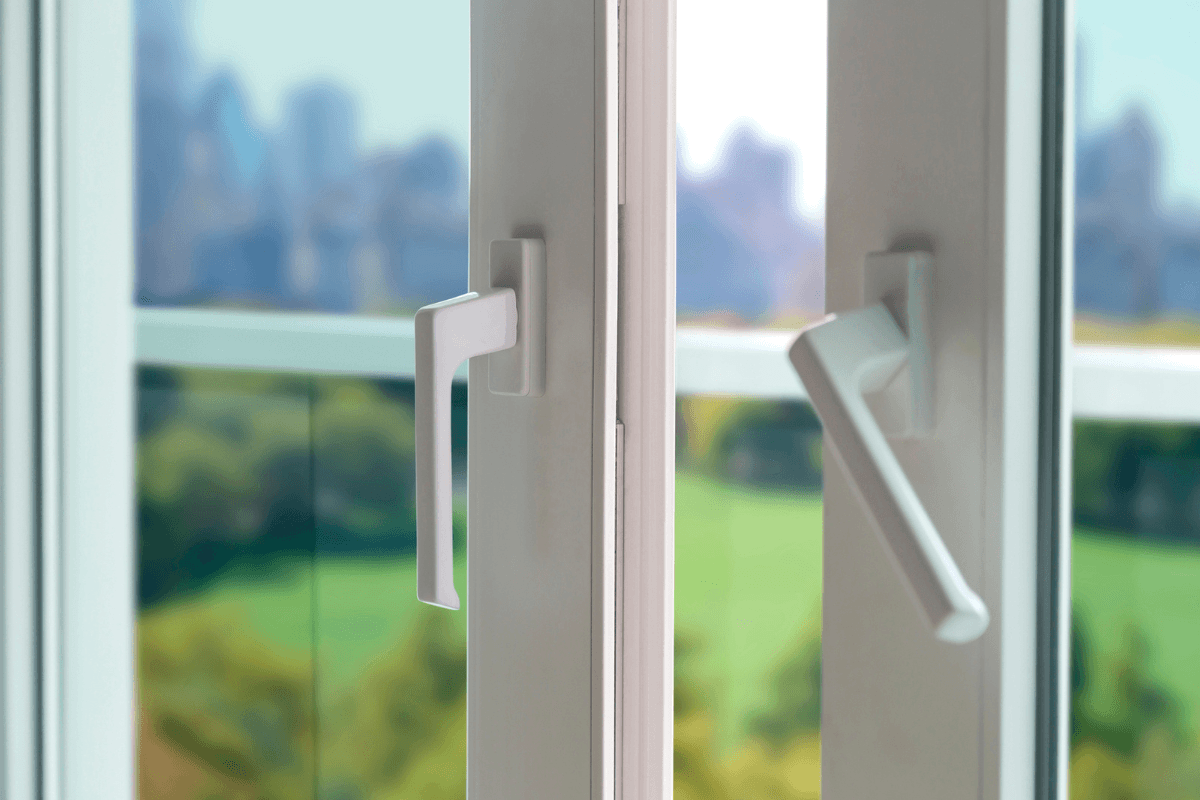
Lever Handle Door Locks
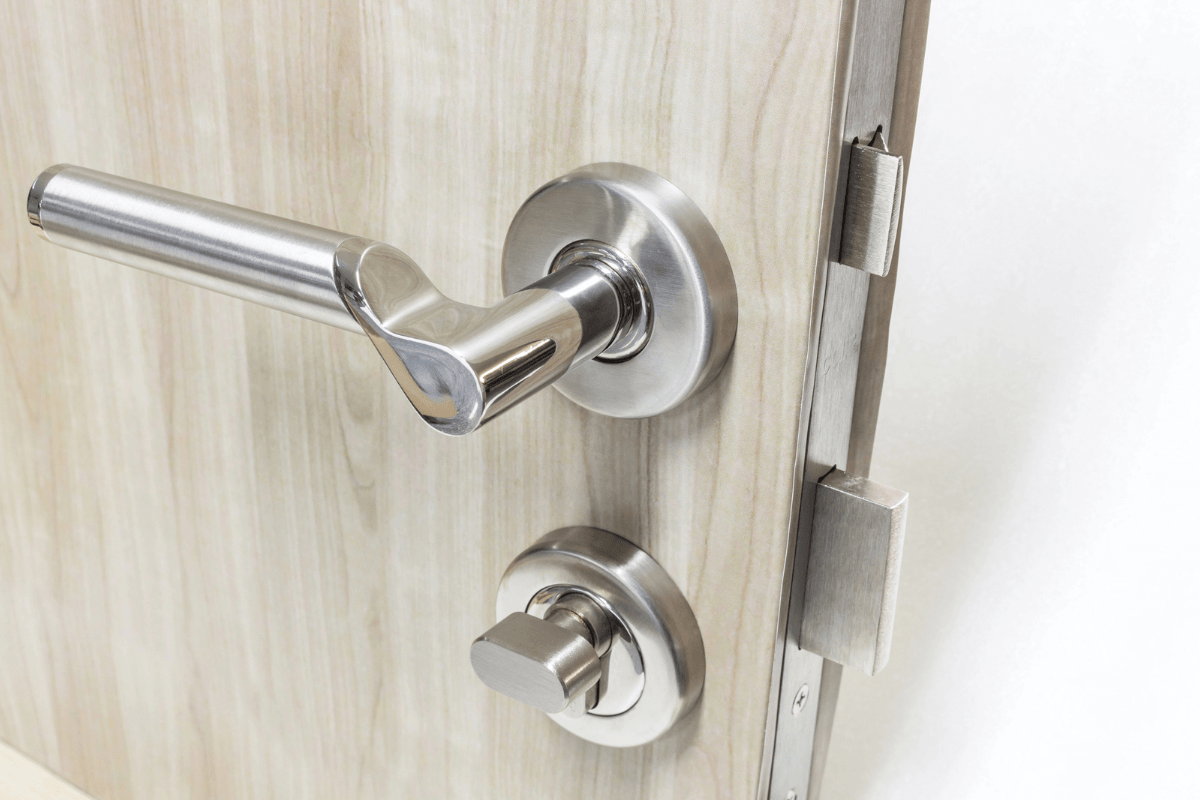
Lever handle door locks are common in homes because they are easy to use. The handle is pressed down to operate the latch, making it convenient for children, older people and people with limited hand strength.
On their own, lever handle locks are often better suited to internal doors or low-risk spaces. For exterior doors, they should usually be paired with a deadbolt, mortise lock or stronger door security lock.
Lever handle door locks are available in privacy, passage and keyed options. Privacy lever handles are commonly used on bedrooms and bathrooms, while keyed lever handles may be used on secondary doors or low-security external areas.
Lever handle locks are best suited to:
- Internal doors
- Bedrooms and bathrooms
- Offices
- Secondary doors
- Homes wanting easy everyday access
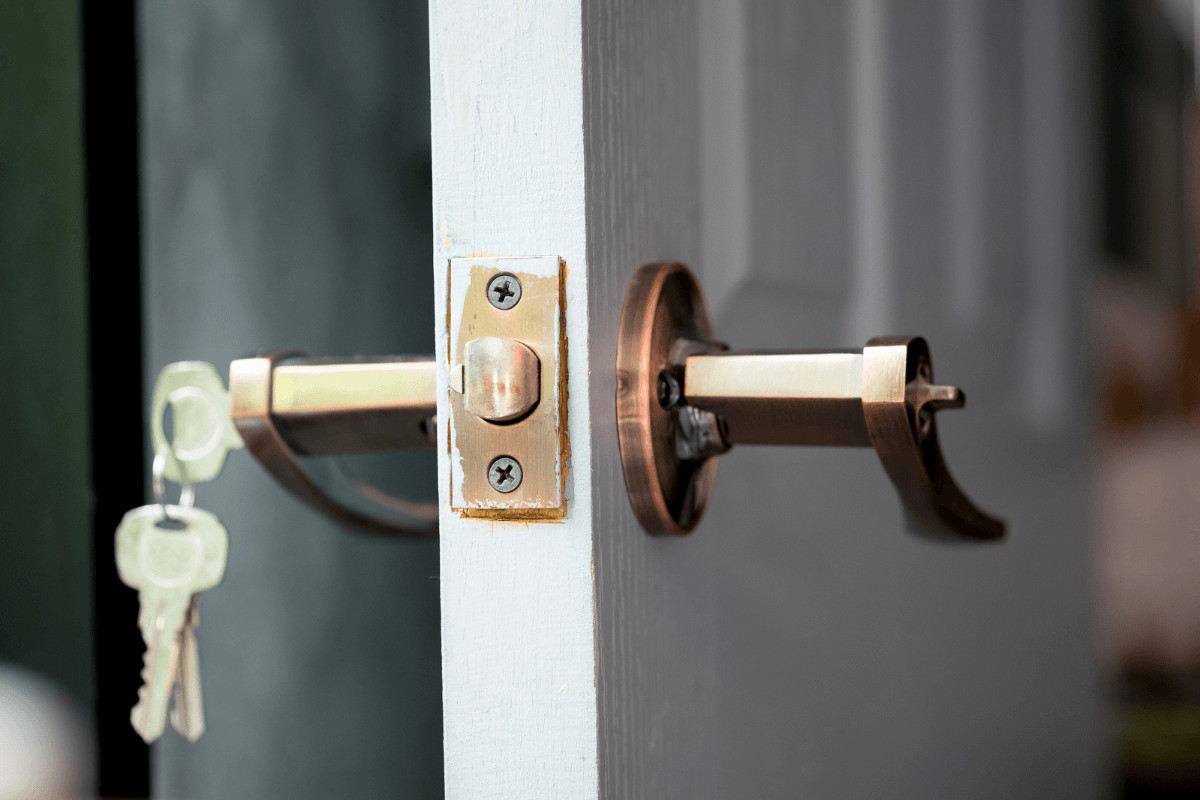
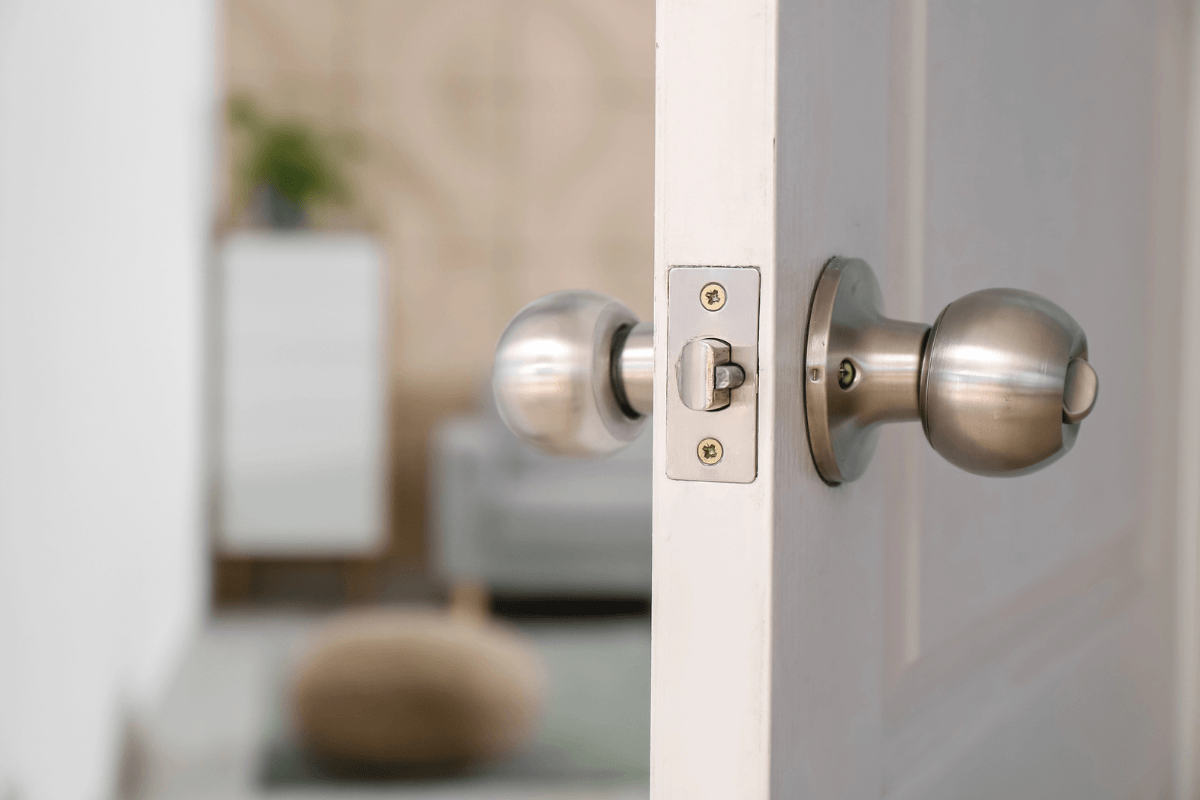
Knob Door Locks
Knob locks are another common option for internal doors. The lock is built into the knob itself, making it simple and compact. They are often used on bedrooms, bathrooms, cupboards and low-security spaces.
For exterior doors, knob locks should not be relied on as the main security lock. Because the locking mechanism sits within the knob, they can be easier to force than a deadbolt or mortise lock.
Knob door locks can still be useful where privacy is the main goal rather than security. They are easy to use, affordable and available in a wide range of styles to suit different homes.
Knob locks are best suited to:
- Internal doors
- Bedrooms
- Bathrooms
- Cupboards
- Low-security areas
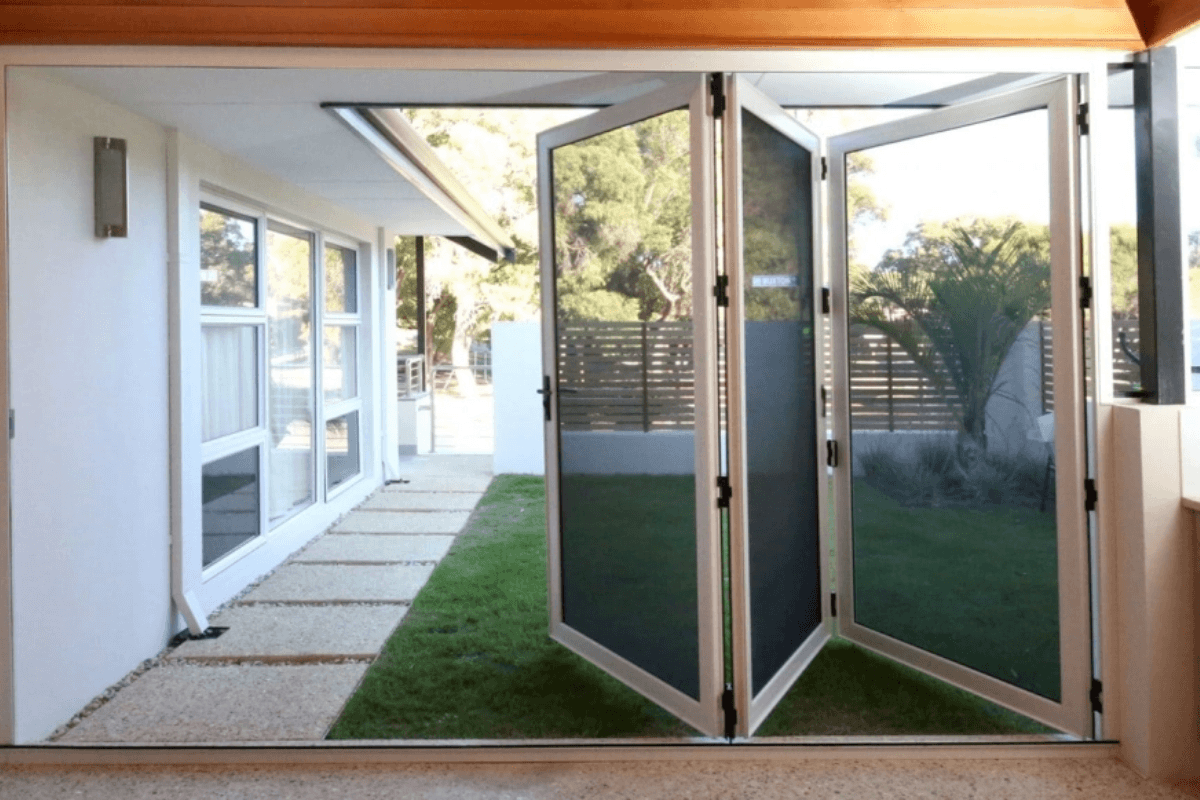
Security Screen Door Locks
A security screen door lock needs to do more than keep the screen closed. It needs to work with the mesh, frame, hinges and installation method to protect the opening.
For the best result, a security screen door should use a three-point locking system. This secures the door at the top, middle and bottom, making it much harder to pry open. A single-point lock may still close the door, but it does not offer the same level of protection.
A quality security screen door lock should also use durable hardware, a strong keyed lock and components designed for regular use. This is especially important for main entry doors, where the screen door may be opened and closed many times each day.
Security screen door locks are best suited to:
- Front security doors
- Hinged security screen doors
- Sliding security screen doors
- Homes wanting airflow and security
- Doors that need a secure lock without blocking visibility
How to Choose the Right Lock for Your Home
Start by identifying which doors need upgrading. Your main entry door should always get priority, followed by any security screen doors and then sliding glass doors or secondary access points.
Consider your environment. If you live near the coast, look for locks tested to at least AS2331 salt-spray standards (240 hours) or smart locks with an IP65 rating. Perth’s salty air can corrode cheaper hardware within months.
Think about convenience versus security. Mechanical locks are simple, reliable and don’t need batteries, but they can be picked or bumped. Smart locks offer remote access and tamper alerts, but they cost more upfront and require occasional battery changes.
If you’re unsure which lock suits your door, a professional assessment is the safest bet. At Clearview Security, we provide free on-site quotes across the Perth metro area and can recommend the best custom solutions and hardware for your specific door type, frame and security needs.
Protecting Your Home Starts with the Right Hardware
Door locks are your first line of defence against intruders and unauthorised access. A weak lock on a strong door can still leave your home vulnerable, especially if the frame, hinges or handles are not suited to security use.
The most secure type of door lock depends on where it is being used. A deadbolt may be ideal for a front door. A multipoint lock may be best for a security screen door. A sliding door lock may be needed for patio access. A smart lock or keyless entry lock may suit homes where convenience is a priority.
If you are unsure which secure door lock suits your home, Clearview Security can help. We provide security doors, security screen doors, sliding security solutions and custom hardware options for Perth homes located throughout WA. Our team can assess your door, explain your options and recommend a lock that provides better protection, convenience and peace of mind.
FAQs About the Most Secure Door Lock
The most secure type of door lock depends on the door. For exterior doors, a high-quality deadbolt or mortise lock is usually a strong choice.
For security screen doors, a three-point multipoint lock is recommended. For sliding doors, a purpose-built sliding door lock with strong frame engagement offers better protection than a simple latch.
Yes. Deadbolts are generally more secure than standard spring latch locks because the bolt extends into the door frame and cannot be pushed back as easily. They are especially useful on exterior doors when paired with a reinforced strike plate, strong hinges and a solid frame.
A three-point lock is strongly recommended for security screen doors. It secures the door at the top, middle and bottom, helping prevent the frame from being pried or bowed open. It provides much better protection than a single-point security screen door lock.
A proper sliding door lock should secure the door into the frame and help stop the panel from being lifted or forced open. For sliding security doors, a three-point locking system offers stronger protection. For standard glass sliding doors, additional keyed locks or patio bolts may improve security.
Knob locks are not usually recommended as the main lock on exterior doors. They are better suited to internal doors and privacy spaces. For exterior doors, a deadbolt, mortise lock or other secure door lock should be used.
You can also improve protection with extra security measures such as security doors, security screen doors, security window film and alarm systems.
Keyless entry locks can be worth it if you want convenience, easy access control and fewer physical keys. They are ideal for families, offices and short-stay properties. For best results, choose a quality lock that suits your door and offers reliable security features.
In many cases, yes. You may be able to upgrade the lock, cylinder, strike plate, handles or other hardware. However, the door and frame must be strong enough to support the new lock. A professional installer can check whether your existing door is suitable.
Contact Clearview Security today for a free quote and expert advice on the right secure door lock for your Perth home.