Article highlights:
- Sash windows can be easier to break into when they rely on basic catches, ageing timber frames or loose hardware
- Security screens add a strong extra barrier while still allowing airflow through your sash windows
- Keyed sash locks, sash stops and window security film can help make forced entry more difficult
- Regular maintenance helps keep frames, locks and fasteners secure, especially on older timber sash windows
If your home has sash windows, you already know their appeal. They suit the character of older Perth homes beautifully, they let in a cross-breeze on a warm evening, and they fill your home with character. However, traditional sash windows were not always designed with modern security in mind.
Whilst they look beautiful and traditional, they lack in security. The original hardware on many heritage timber sash windows was never designed to resist a determined entry attempt. Many have simple catches, thin glass or aging frames, which can make them easy to force open.
The good news is that improving your sash window security doesn’t mean replacing what you’ve got. With the right locks, sash stops, security screens and maintenance, you can strengthen your windows while keeping their original charm.
1. Add security screens to your sash windows
The sliding design of sash windows is a valid point of concern when it comes to security. Adding fixed security screens to sash windows is a practical way to enhance protection without detracting from their style or functionality. A well-fitting security screen creates an extra barrier against forced entry without blocking airflow, so you can keep your sash windows open as wide as you want without worrying about your home’s safety.
For long-lasting security, security screens should be custom-made to suit the size, frame and opening style of your sash windows. This helps ensure the screen sits securely in place and moves smoothly with the window.
When choosing security screens, it’s best to compare compliant options that have met Australian security standards. Clearview Security’s Crimsafe Ultimate screens are tested to AS 5039 and are a strong choice if you want to maximise the security of your sash windows. They also keep insects out, which matters when you’re running windows open through summer.
If your home is heritage-listed, check with your local council before installing anything that involves drilling into original frames. A professional installation avoids the guesswork.
2. Fit sash stops for secure ventilation
Perth summers mean windows stay open. That’s just reality. But leaving a sash fully open overnight is a safety risk, especially on rear-facing double hung windows that aren’t visible from the street.
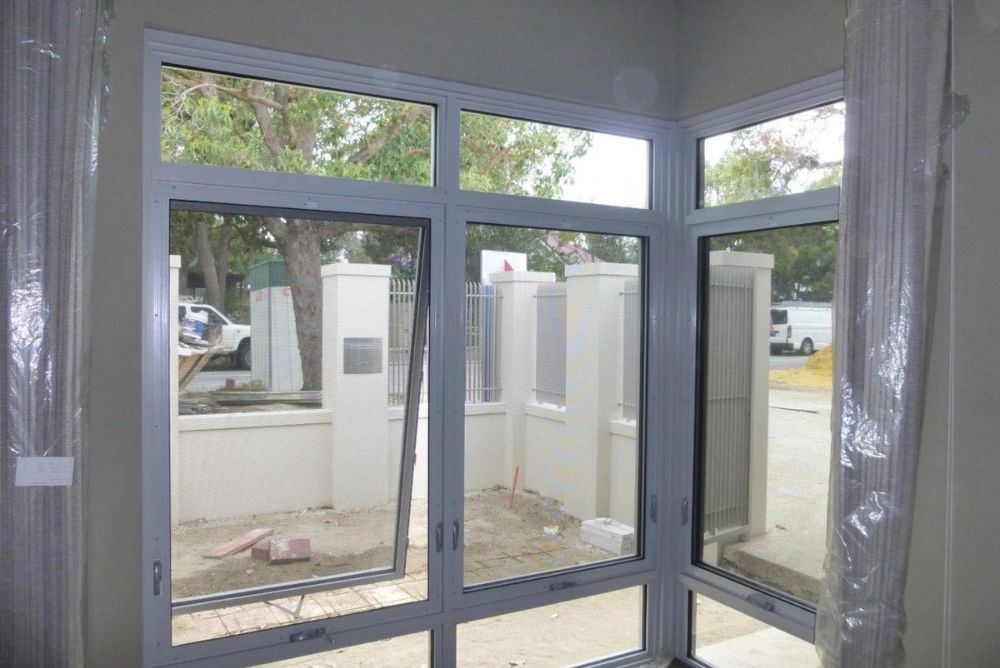
Sash stops (sometimes called dual screws or screw-in stops) solve this neatly. You install them through the inner sash and into the outer frame, which physically limits how far the window can be raised. Set at around 100 mm above the lower sash, they allow enough airflow to cool a room while preventing anyone from opening the window further from the outside.
3. Choose the right sash window locks for your meeting rail
The meeting rail is where the upper and lower sashes overlap in the middle of the frame. It’s also the most common point of attack, because a basic pivot latch offers very little resistance.
Upgrading to a quality keyed lock at this point makes a real difference. Keyed sash locks fasten the upper and lower sashes together, and are best for high security. If your window is in an attractive position for burglars, such as on the ground floor or facing the street, these are worth considering.
Fitch-pattern and Brighton-pattern fasteners are also two well-regarded options that mount neatly onto timber frames without requiring major modifications. Solid brass or stainless steel construction is worth the extra cost, particularly in coastal areas where salt air accelerates corrosion and weakens cheaper materials over time.
Make sure to avoid lightweight pivot catches on any window that’s accessible from ground level or a low roof.
4. Keep up with regular maintenance
A well-fitted lock on a rotten frame isn’t much protection. Sash windows, especially older, heritage-listed ones, need to be checked at least once a year.
Here’s a simple maintenance checklist:
- Inspect for rot or soft timber, particularly at the base of the lower sash and along the sill. Soft timber creates leverage points that can compromise the sturdiest of locks.
- Tighten all screws on existing locks and fasteners. Loose hardware is easy to force.
- Check for stripped screw holes. Fill them with a timber plug, let it set, and re-drill before refitting the lock with longer stainless steel screws.
- Look for paint build-up around the sash edges. Thick paint can cause sashes to stick, leading people to force them open and damage the frame in the process.
- Lubricate moving parts with a dry lubricant or beeswax to keep the sashes sliding smoothly.
5. Adding Window Security Film to Protect Sash Window Panes
Window security film is a good option if you are looking for a security boost, but don’t want to go through the whole process of installing a screen. They are a great way to strengthen the glass panes in double hung sash windows, especially in older homes where the glass may be thinner or more vulnerable to impact.
The film is applied directly to the windowpane and is designed to help hold the glass together if it is struck or broken. While it does not make the glass impossible to break, it can make forced entry more difficult by reducing the chance of the pane shattering easily.
Protecting your sash windows for the long term
Good sash window security is less about a single product and more about layering your protection. The right window locks for sash windows, combined with sash stops, a maintenance routine, and reliable screens, give you a solid and practical setup.
If you’re not sure where to start, or if your windows are heritage-listed and you want professional advice, we offer free on-site quotes across the Perth metro area. With over 25 years working with WA homeowners, we can recommend the right solution for your home’s style, your family’s needs, and your budget.
Frequently Asked Questions
The sash window itself does not usually need to meet a specific security standard, but any security product added to it should be chosen carefully. Security screens, for example, should be tested to the relevant Australian Standards if they are being sold as security products. This gives you more confidence that the screen has been tested for strength, impact resistance and secure installation.
For older or heritage-style homes, it is also important to make sure any upgrades suit the existing window frame. A poorly fitted product may not provide the level of protection you expect, even if the product itself is strong.
In many cases, security screens can be installed on heritage sash windows, but the right approach depends on the property, frame condition and any heritage restrictions that apply. Some homes may have limits on visible changes, especially if the windows face the street or form part of the original building character.
Before installing screens, it is worth checking with your local council or speaking with a professional installer. A custom-made screen can often provide added protection while keeping the appearance of the window as neat and discreet as possible.
The most vulnerable parts of a sash window are usually the meeting rail, the glass panes, the lock or catch, and the timber frame. If the catch is old or loose, it may be easier to force open. If the timber is soft, cracked or rotten, even a strong lock may not hold properly.
The glass can also be a weak point, especially on older windows with thin panes. This is why sash window security is usually best approached as a full system rather than relying on one single upgrade.