Article Highlights
- The best window lock depends on the window style, its location and whether your priorities include security, ventilation or child safety.
- Sliding, sash, casement and awning windows use different locking systems, including track locks, keyed fasteners, locking handles and multi-point locks.
- Window locks provide an important first layer of protection, but accessible windows may also benefit from security screens or security film.
Window locks are an important part of home security, but the right option depends on how your windows open, where they are located and how you use them. A lock that works well on a sliding window may not suit a hinged window, while homes with young children may also need restrictors that limit how far a window can open.
In our blog, Clearview Security explains the main types of window locks, which window styles they suit and what to consider when balancing security, ventilation and ease of use.
What Are the Best Window Locks for Your Home?
The best window locks are the ones designed for your window style and the way you use the window. Sliding windows need locks that stop the panel moving along its track, while hinged windows require locks or fasteners that hold the opening section firmly against the frame.
Location also matters. Ground-level and easily accessible windows usually need stronger, tamper-resistant locks, while windows opened regularly for airflow should have options that are secure but still easy to operate. In homes with young children, safety restrictors may also be used to limit how far a window opens, although these should not be treated as a replacement for a suitable security lock.
What to Consider When Choosing Window Locks
The right lock should suit both the window and the way it is used. Before choosing a product, consider:
- Window type: Windows open in different ways, so the lock needs to match the direction and mechanism of the opening panel.
- Window location: Ground-level windows and windows near balconies, fences or other climbing points often require more robust locks that resist tampering.
- Security needs: Look for locks that hold the window firmly in place and cannot be easily reached or forced from outside.
- Ventilation: Some locks and restrictors allow a window to remain slightly open for airflow while limiting how far it can move.
- Child safety: Safety restrictors can reduce the risk of falls by limiting the window opening, particularly in bedrooms and upper-storey rooms. Where applicable, the device or screen should meet the relevant window fall-prevention requirements.
- Ease of use: Locks should be practical for household members to operate without making regularly used windows difficult to open or close.
- Condition of the window: A strong lock will not perform properly if the frame, track, sash or fasteners are damaged or badly worn.
Once you understand how the window opens and what you need the lock to achieve, you can compare the different options available for each window style.
Types of Window Locks
Different windows move in different ways, so there is no single lock that suits every frame. Understanding your window type and how it opens will help you choose a lock that fits securely and remains practical to use.
Sliding Window Locks
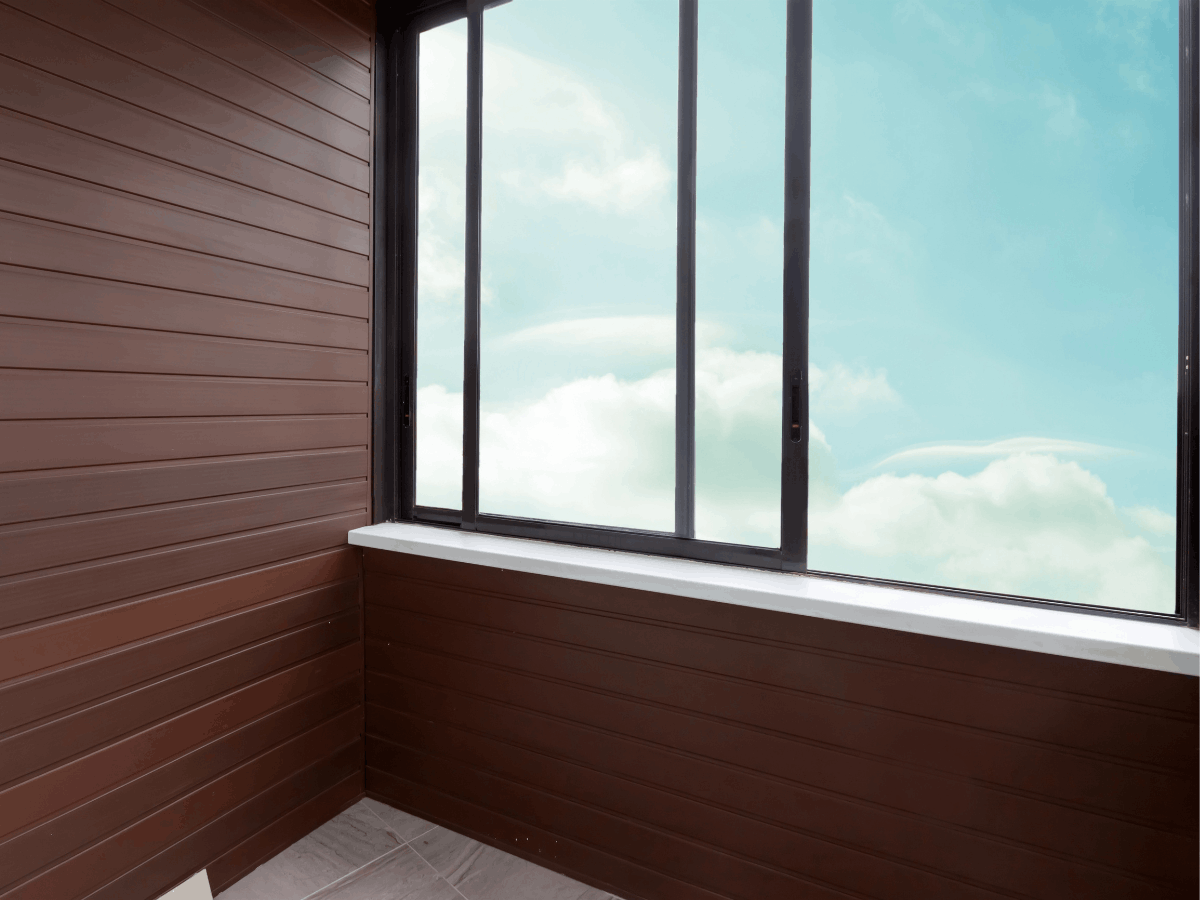
Because the opening panel moves horizontally along a track, the lock needs to prevent it from sliding when the window is closed. Depending on the design, the lock may attach to the frame, clamp onto the track or use a keyed mechanism for added security.
A good sliding window lock should sit firmly in place without damaging the track or making the window difficult to operate. Some options also allow the window to remain slightly open for ventilation, although the permitted opening should still suit the home’s security and child-safety requirements.
Sash Locks for Single-Hung and Double-Hung Windows
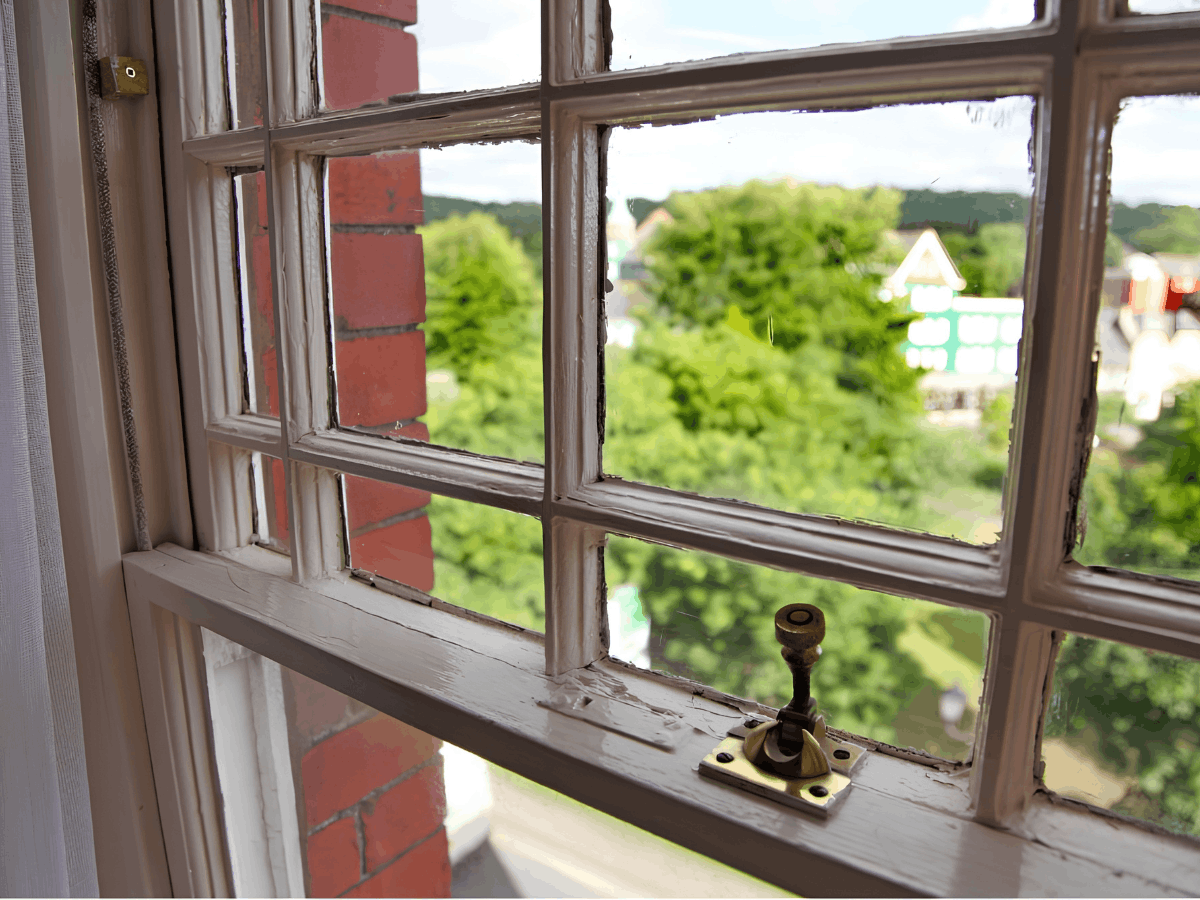
Built with framed panels that move vertically, single-hung and double-hung sash windows commonly use locks fitted where the two sections meet. These locks help hold the sashes together when the window is closed.
Keyed sash locks provide an extra layer of security by preventing the fastener from being released without a key. Some sash windows also use restrictors that limit how far the window can open, which can support ventilation and child safety.
The lock should align properly when the window is closed. If the sashes are warped, loose or difficult to move, the window may need adjustment before a new lock is installed.
Casement Window Locks
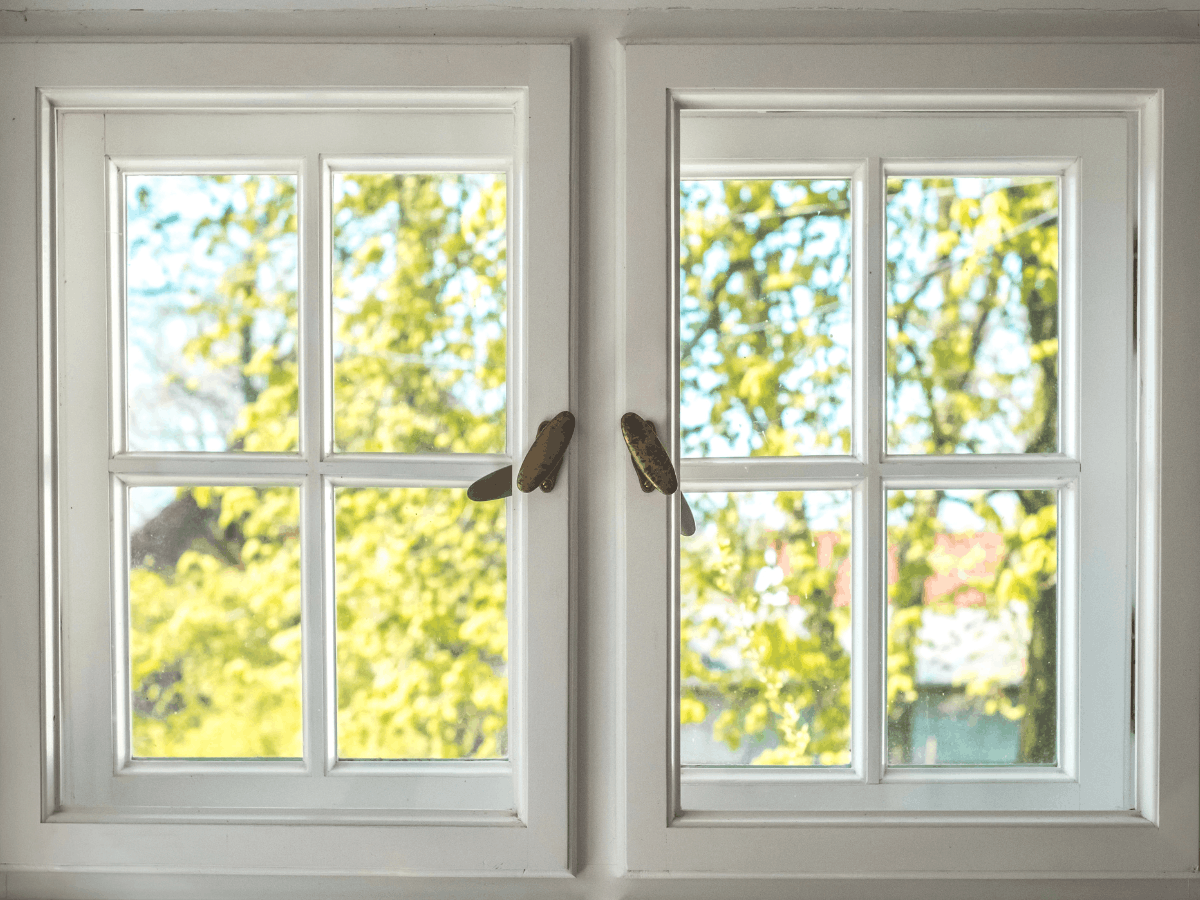
Hinged along one side, this window style opens outward using a handle or winding mechanism. The lock needs to hold the opening sash firmly against the frame when the window is closed.
Common options include keyed handles, locking stays and multi-point locking systems. The right choice depends on the window design, how often it is opened and whether the hardware needs to resist tampering from outside.
The locking hardware should close smoothly without forcing the handle. If the window is difficult to shut, the hinges, frame or alignment may need attention before a new lock is fitted.
Awning Window Locks
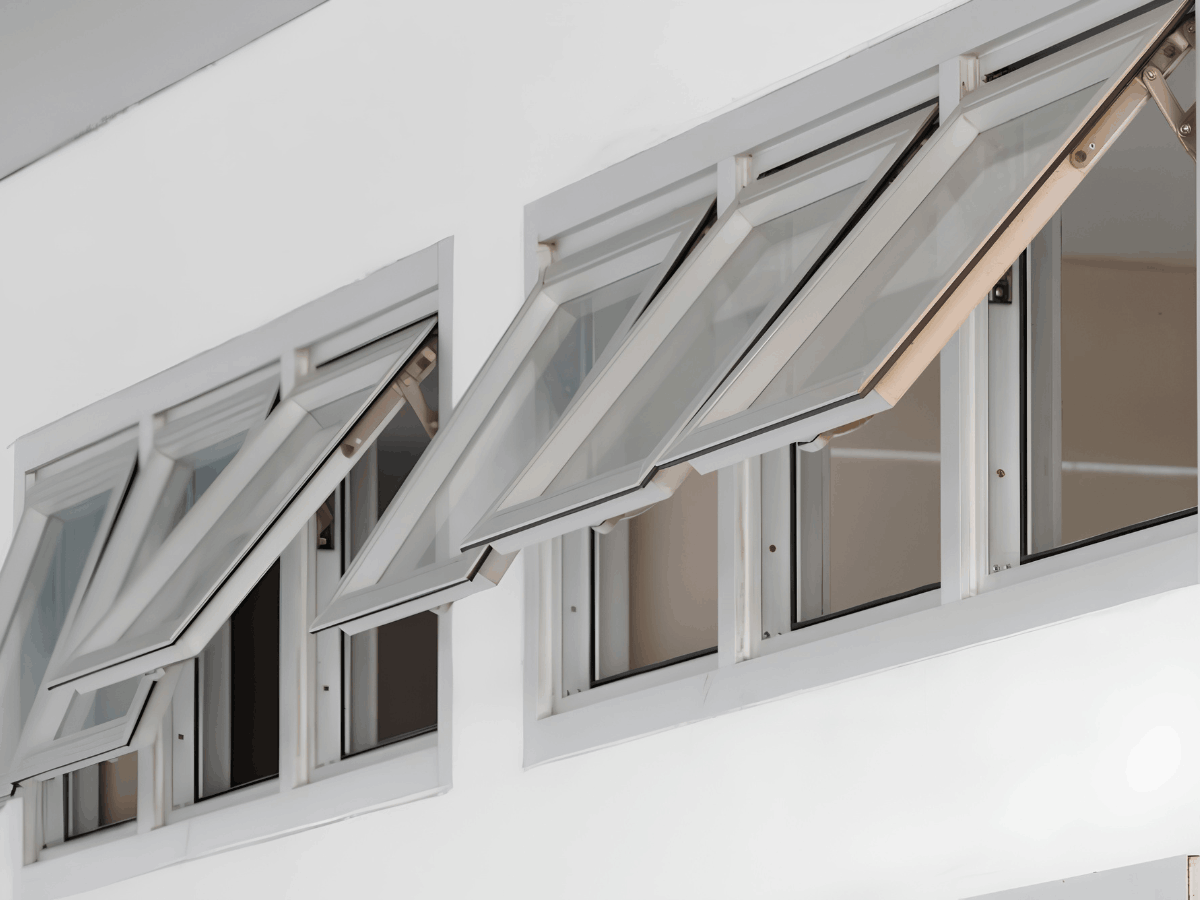
Opening outward from the bottom, awning windows are hinged along the top and usually operated with a winding handle. Their locking system should pull the sash firmly against the frame when closed.
Depending on the design, suitable options include keyed winders, locking handles and multi-point locks. These make the window harder to force open from outside while allowing it to operate normally from inside.
Because this window style is often used for ventilation, some households also add a restrictor to control how far it opens. The restrictor should suit the window size, location and intended use.
Keyed Window Locks and Safety Restrictors
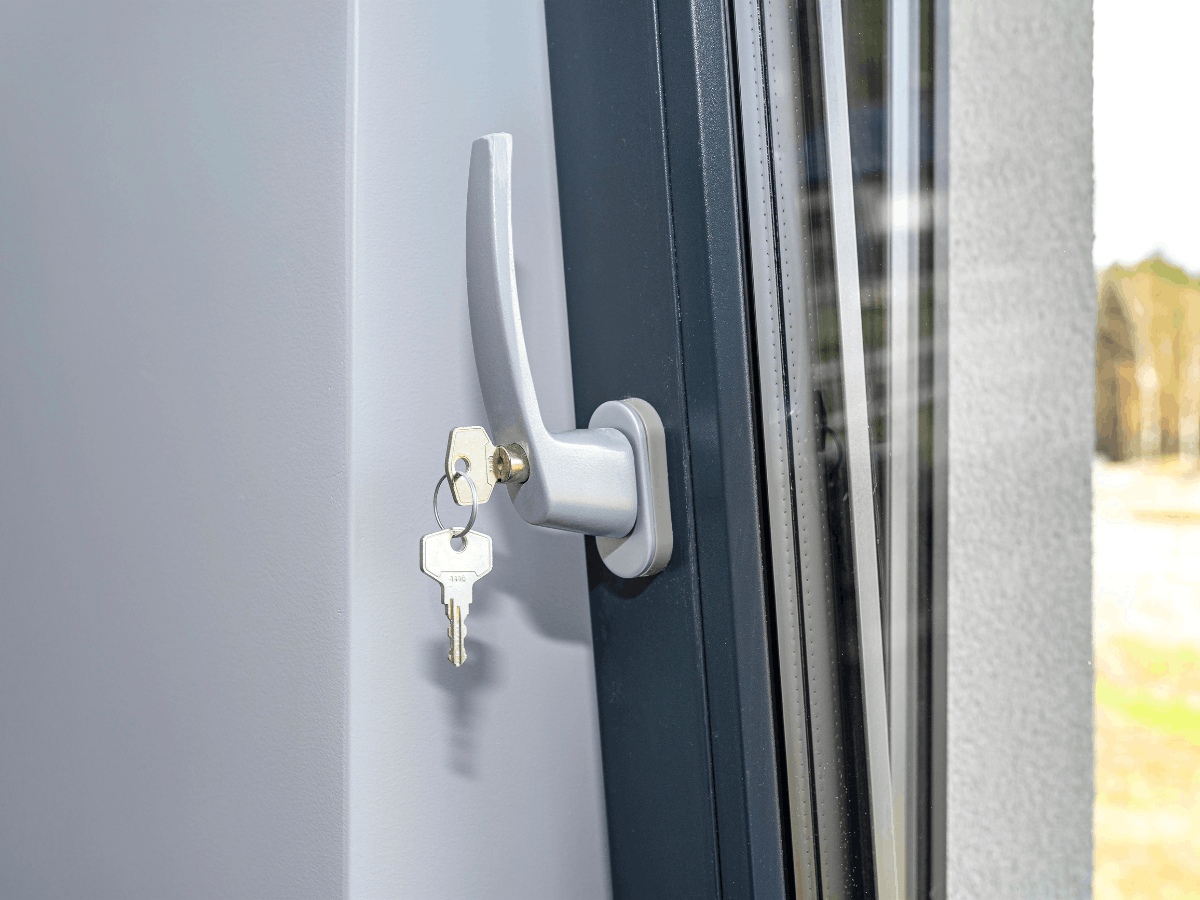
For greater control over who can open a window, a keyed lock requires a key to release the mechanism. This option is often used on easily accessible windows or in areas where controlled opening and additional security are important.
Safety restrictors serve a different purpose by limiting how far the window opens. They support ventilation and help reduce the risk of falls, but should only be treated as a security device when specifically designed and tested for that purpose.
Some windows use both a keyed lock and a restrictor. The right setup depends on the window type, location and whether the priority is security, ventilation, child safety or a combination of these.
Which Window Lock Is Right for Each Window Type?
Different windows open and lock in different ways, so the most suitable option depends on the window style, how it is used and where it is located. The table below compares common window styles and situations, suitable lock options and the main factors to check before choosing one.
| Window type or situation | Suitable lock options | Key considerations |
|---|---|---|
| Sliding windows | Track locks, clamp locks and keyed sliding locks | The lock should prevent movement along the track without damaging it |
| Single-hung and double-hung windows | Sash locks, keyed fasteners and restrictors | Check that the upper and lower sashes align properly when closed |
| Casement windows | Keyed handles, locking stays and multi-point locks | The hardware should secure the outward-opening sash firmly against the frame |
| Awning windows | Keyed winders, locking handles and multi-point locks | The winding mechanism and lock should close smoothly without excessive force |
| Windows used for ventilation | Opening restrictors or locks designed for partial opening | Use hardware specifically designed to secure or restrict a partially open window |
| Easily accessible windows | Keyed or tamper-resistant locks | Ground-level windows and those near climbing points often need stronger protection |
The right lock should fit the way the window opens, close securely and remain practical to use every day. Before installation, check that the frame, track, hinges and existing hardware are in good condition, as a new lock will not fix a window that is damaged or out of alignment.
Are Window Locks Enough to Secure Your Home?
Window locks are an important first layer of protection, but they should form part of a broader home security plan. They secure the opening mechanism, but do not stop exposed glass from being broken or prevent an intruder from cutting or removing a weak flyscreen.
For windows that are easy to reach from outside, locks can be combined with window security screens to strengthen the entire opening while still allowing airflow. Security screens are available for a range of window styles, including sliding, awning, casement and sash windows.
Another option is security window film, which helps hold shattered glass together and makes it more difficult to create an opening through the pane. Combining the right lock with suitable glass protection or a security screen helps protect both the opening mechanism and the wider window area.
How to Keep Window Locks Working Properly
Regular checks help window locks remain secure and easy to use. Dirt, corrosion, loose fasteners and worn moving parts can stop a lock from closing properly, even when the lock itself is still intact.
To maintain your window locks:
- Remove dust and debris from tracks, hinges and locking points.
- Tighten loose screws and check that the lock still aligns with the frame.
- Lubricate moving parts with a product suitable for the lock and window material.
- Test keyed locks regularly and keep spare keys in a secure, accessible place.
- Look for rust, cracks, stiffness or visible wear around the lock and frame.
- Avoid forcing a lock that no longer closes smoothly, as this could damage the hardware or window.
Replace the lock if it remains loose, damaged or difficult to operate after cleaning and adjustment. Problems with the track, sash, hinges or frame should also be repaired so the new lock fits and closes correctly.
Strengthen Your Window Security with Clearview
Clearview Security supplies and installs custom window security screens for a wide range of window styles across Perth. These screens add another layer of protection while maintaining natural light and airflow.
Contact the team to discuss suitable options for your windows and request a free quote.
Frequently Asked Questions
In many cases, a new lock can be fitted to an existing window, provided the frame and opening section are in good condition. The lock must match the window style, material and available mounting space. Older windows may need repairs or adjustment before new hardware is installed.
Some simple track or clamp locks are designed for straightforward installation. Keyed locks, multi-point systems and products that require drilling need to be positioned correctly so they do not damage the frame or prevent the window from closing properly. Follow the manufacturer’s instructions and use a qualified locksmith or window specialist where required.
Some compatible window locks can be keyed alike, allowing one key to operate several locks around the home. Availability depends on the manufacturer, lock range and existing hardware, so confirm this before purchasing or installing the locks.
Lock compatibility varies between aluminium, timber and uPVC frames, and not every product will suit every window. Check the required mounting space, fixing method and manufacturer’s installation instructions before drilling or fitting any hardware.