Article highlights:
- Invisi-Gard uses 316 marine-grade stainless steel mesh, while Crimsafe uses 0.9mm 304 structural-grade mesh, and both pass Australian Standard AS 5039 testing.
- Crimsafe publishes impact results of up to 750 joules for Crimsafe Ultimate, and its screen system passed 3,000 hours of salt spray testing.
- Invisi-Gard offers a lifetime warranty on the mesh for homes, while Crimsafe’s 10-year warranty can be extended to 12 or 15 years.
- Neither brand publishes prices, so the Invisi-Gard vs Crimsafe cost depends on your home’s openings and the model you choose.
Crimsafe and Invisi-Gard are two of Australia’s premium security screen brands. Both use high-tensile stainless steel mesh in an aluminium frame, and both are installed by licensed dealers. The main differences come down to the grade of mesh, how that mesh is held in the frame, and the warranty behind it.
At Clearview Security, we’re Perth’s longest-serving licensed Crimsafe manufacturer, so we know these screens inside out. In this Invisi-Gard vs Crimsafe guide, we compare both brands fairly using each manufacturer’s own testing and warranty information, so you can choose the right security screen doors and windows for your home.
Crimsafe and Invisi-Gard at a glance
What is Crimsafe?
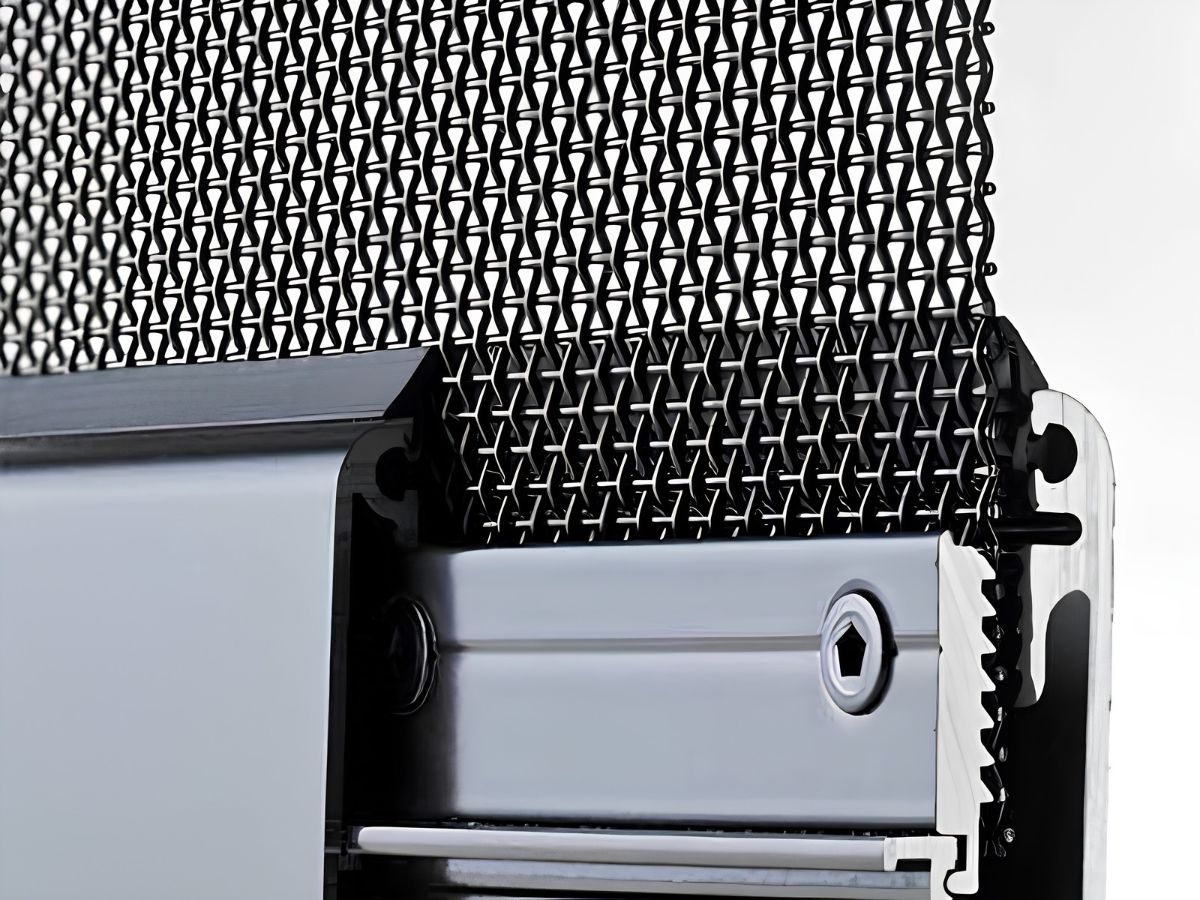
Crimsafe security doors and windows use 0.9mm 304 structural-grade Tensile Tuff® stainless steel mesh. The mesh is secured to the frame with Crimsafe’s patented Screw Clamp® system, which is designed so the mesh can’t be pulled from the frame.
Crimsafe comes in different models, including Regular, Classic, Ultimate and iQ. Crimsafe Ultimate is tested to withstand a heavier impact than Crimsafe Regular. We custom-make every Crimsafe screen to suit your doors and windows, then install it for you.
What is Invisi-Gard?
Invisi-Gard (often spelt Invisiguard or Invisigard) is made by Alspec, an Australian-owned aluminium company with more than 45 years in business. Invisi-Gard security doors and windows use 316 marine-grade stainless steel mesh in an architectural-grade aluminium frame, powder-coated in a range of colours to suit the appearance of your home.
The mesh is held by Invisi-Gard’s patented EGP (Extreme Grip Protection) retention system, which runs around all four sides of the screen. Like Crimsafe, Invisi-Gard doors and windows are supplied and installed through licensed dealers.
The key differences between Invisi-Gard and Crimsafe
Here’s how the two brands compare on the points that matter most.
| Crimsafe | Invisi-Gard | |
|---|---|---|
| Made by | Crimsafe Security Systems | Alspec |
| Stainless steel mesh | 0.9mm 304 structural grade (Tensile Tuff®) | 316 marine grade |
| How the mesh is held | Patented Screw Clamp® system | Patented EGP (Extreme Grip Protection) system |
| Salt spray testing | 3,000 hours with no corrosion | Over 2,000 hours |
| Impact testing | 550 joules single impact (Regular), 750 joules (Ultimate) | More than 50 consecutive impacts of 100 joules |
| Bushfire rating | Up to BAL-FZ with a compliant window system | BAL-40 tested |
| Warranty | 10 years standard, extendable to 12 or 15 years | Lifetime on the mesh for homes, 15 years on the frame’s structure |
Mesh grade and corrosion
The biggest difference is the stainless steel. Invisi-Gard uses 316 marine-grade mesh, while Crimsafe uses 304 structural-grade mesh. 316 stainless steel contains an extra element, molybdenum, that improves its resistance to corrosion in salty environments.
The mesh is only part of the picture, though. Crimsafe’s full screen system passed 3,000 hours of salt spray testing (an accelerated laboratory test used to assess corrosion resistance) with no corrosion, and Invisi-Gard’s screens were tested to over 2,000 hours. Invisi-Gard’s frame also keeps the stainless mesh and aluminium apart, which helps prevent corrosion between the two metals.
Whichever brand you choose, screens on homes in coastal suburbs like Fremantle need regular cleaning to prevent salt build-up. Both manufacturers make following their care instructions a condition of the warranty.
How the mesh is held in the frame
A security screen is only as strong as the join between the mesh and the frame. Crimsafe uses its patented Screw Clamp® system, which the company credits for passing the Australian Standard pull test. You can read more about how Crimsafe mesh works in our guide.
Invisi-Gard’s EGP system grips the mesh on all four sides of the frame.
Strength and Australian Standards testing
Both brands’ screens are designed to resist common break-in methods, and both comply with Australian Standard AS 5039 for security screen doors and windows. They pass the knife shear test, which checks whether the mesh can be cut, and the jemmy test, which checks whether the door can be levered open.
Impact testing checks how much energy a screen can withstand, measured in joules. Each brand presents its published results differently.
- Crimsafe publishes single-impact results of 550 joules for Crimsafe Regular and 750 joules for Crimsafe Ultimate.
- Invisi-Gard reports that its screens withstand more than 50 consecutive impacts of 100 joules each.
These figures come from different tests, so they can’t be compared directly. Still, with many security companies making claims about strength, published test results are a more reliable guide than marketing.
Bushfire ratings
Bushfire Attack Level (BAL) ratings show how much bushfire exposure a home faces, from BAL-LOW up to BAL-FZ (flame zone). Both brands have screens suitable for bushfire-prone areas. Invisi-Gard doors are BAL-40 tested. Crimsafe says its screens can protect your home up to BAL-FZ when used with a compliant window system. If you live near bushland, our bushfire safety guide covers how to prepare your home.
Warranty
Crimsafe comes with a 10-year warranty as standard. You can extend it to 12 years for Crimsafe Regular and Classic, or to 15 years for Crimsafe Ultimate and iQ, by registering online within 60 days of installation.
Invisi-Gard offers a lifetime replacement warranty on the mesh for homes, plus a 15-year warranty on the structural integrity of the aluminium frame. For both brands, the screen must be installed by a licensed dealer. Locks, hinges and other hardware are covered separately by their own manufacturers.
Invisi-Gard vs Crimsafe price and cost
Neither Crimsafe nor Invisi-Gard publishes a price list on its website. Security screens are custom-made to fit each door and window properly, so the price is worked out by the licensed dealer who measures your home.
The best way to compare Invisi-Gard vs Crimsafe costs is to request quotes for equivalent openings and specifications. The size and number of openings are key factors. For example, screening one front door costs less than screening every window, while wider openings, such as sliding security doors, require more mesh and hardware. Your choice of model matters too. Crimsafe Ultimate costs more than Crimsafe Regular, but it offers extra protection.
When you compare quotes, look at value and durability as well as price. Check which particular model you’re being quoted, how long the warranty is, and who will install it. Both brands’ warranties only apply when a licensed dealer installs the screen, so a cheaper unlicensed install could cost you the warranty.
Which security screen suits your home?
Both are quality screens that improve your home security, so the right choice comes down to your priorities.
| Crimsafe may suit you if… | Invisi-Gard may suit you if… |
|---|---|
| You want published impact results, up to 750 joules with Crimsafe Ultimate | You want 316 marine-grade stainless steel mesh |
| You live in a high bushfire-risk area, as Crimsafe covers up to BAL-FZ with a compliant window system | Your bushfire rating is BAL-40 or lower |
| You want a screen system that has passed 3,000 hours of salt spray testing | You want a lifetime warranty on the mesh |
| You’d like a choice of models, from Crimsafe Regular to Crimsafe Ultimate and iQ | You prefer a mesh retention system that grips all four sides of the frame |
| You want your screens made locally in Perth by a licensed manufacturer | You’re happy to use an Invisi-Gard dealer in your area |
If you’re in a bushfire-prone area, check that the screen and its installation suit your home’s BAL rating.
Crimsafe vs Invisi-Gard, which is better?
Crimsafe and Invisi-Gard are both reliable, premium security screens that pass Australian Standard testing, so you’re not choosing between a good product and a poor one. For most Perth homeowners, it’s about which features fit your home best.
If 316 marine-grade stainless steel mesh and a lifetime mesh warranty are your priorities, Invisi-Gard is a strong choice. If you’d like a choice of models, including the extra protection of Crimsafe Ultimate, Crimsafe is hard to go past for your security doors and window screens.
The installer matters as much as the product, so it’s worth checking who will measure and fit your screens. If you’re weighing up other brands too, our Crimsafe vs Amplimesh comparison covers another popular option.
Get a free measure and quote in Perth
If you’re leaning towards Crimsafe, we can help. We’ll visit your home or business, measure the doors and windows you want screened and give you a free quote with advice on the right Crimsafe model for your property. You can also see Crimsafe in person at our showroom, located at 32 Drake Street, Osborne Park.
Contact us or call (08) 9443 8633 to book your free measure and quote.
Frequently Asked Questions
Yes, but adding a pet door opening reduces the screen's strength, so the door may no longer be classed as an Australian Standard security product. This applies to both Crimsafe and Invisi-Gard. We offer fly screen pet doors in new Crimsafe doors, as they can’t be added to an existing screen.
Yes. Both brands use a fine stainless steel mesh, so you can leave your doors and windows open for ventilation while the screen stays locked and secure. Both meshes also work as fly screens, keeping insects out of your home.
Yes. AS 5039.2:2024 is the current Australian Standard for installing security door and window screens, and it replaced the older AS 5040 in 2024. It covers hinged, sliding, folding, removable and fixed screens.