Article Highlights:
- Improve front door security by strengthening the door, frame, locks and hinges together.
- Reinforced strike plates, secure hinges and quality deadbolts help resist forced entry.
- Security screens and window film add protection, while lighting and cameras help deter intruders.
- Check your entrance annually and repair loose fittings, damaged frames or locks that do not engage fully.
Your front door is one of the main entry points into your home. While a locked door provides a basic level of protection, its security depends on much more than the lock alone. The door material, frame, hinges, glass panels and surrounding area all influence how well it resists forced entry.
If you are wondering how to improve front door security, start by looking at the entire entrance rather than focusing on one component. A strong lock fitted to a weak wooden door or damaged door jamb will only provide so much security.
In this guide, we cover seven practical ways to improve your front door and make your home less appealing to potential intruders.
How to Improve Front Door Security
Improving front door security involves strengthening each part of the entrance. This includes the entry door, locking system, door frame, hinges and any nearby glass. Lighting, cameras and an additional security screen door provide further layers of protection.
Seven effective ways to improve front door security include:
- Check the strength of the door and frame
- Upgrade your door locks
- Reinforce the strike plate and door jamb
- Secure exposed door hinges
- Protect glass in and around the door
- Install a security screen door
- Add lighting and a security camera
1. Check Your Entry Door and Door Frame
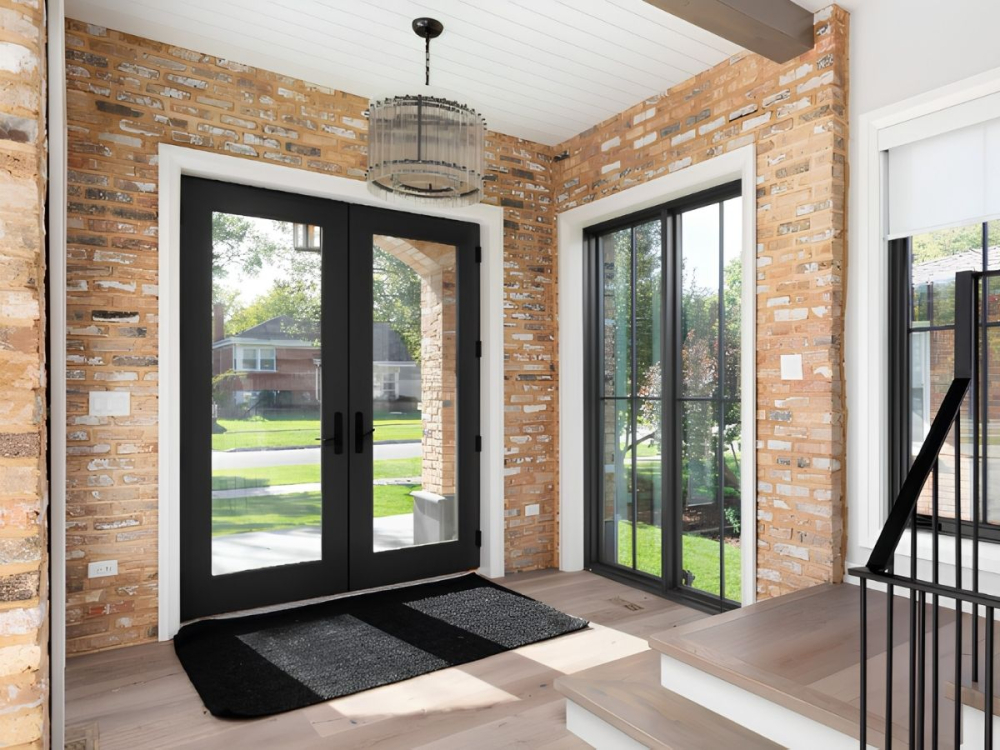
A secure entrance starts with a strong door and a properly installed frame. Even the best door locks offer limited protection if the door or frame splits under force.
Begin by checking the door for cracks, rot, warping and other signs of damage. You should also inspect the door jamb and frame for movement, loose sections or gaps around the opening. The door should sit evenly within the frame and close without needing to be pushed or lifted.
Solid wooden front doors are stronger than hollow-core options, although their condition and thickness still matter. Steel and fibreglass doors often provide greater resistance to impact, while a composite door combines several materials to improve strength and durability.
A quality door must also be fitted correctly. Gaps, weak fixings or an unsuitable frame could allow a would-be burglar to force the door open. If the existing entrance has extensive damage or movement, replacing the complete door and frame could provide better protection than upgrading individual components.
You could also add a purpose-built security screen door outside the primary door to create another physical barrier between your home and the street.
2. Upgrade Your Door Locks and Locking Systems
The next step is to assess your door locks. A low-quality door handle with a basic spring-loaded latch is not designed to provide high security by itself. A stronger lock makes the door more difficult to manipulate, pick or force open.
A deadbolt lock extends a solid bolt into the door frame and provides greater resistance than a standard latch. The deadbolt should be properly installed and long enough to engage securely with the reinforced section of the frame.
Other locking options include:
- Lever mortice locks
- Euro lock cylinders
- Night latches
- Smart locks
- Multi-point locking systems
The most suitable option depends on the door material, frame and how the entrance is used. For more information, read our guide to the most secure door locks and learn which locking options offer stronger protection for your home.
3. Reinforce the Door Jamb and Security Strike Plate
The strike plate is the metal component fixed to the door frame where the latch or deadbolt enters. During forced entry, pressure is often concentrated around this small section of the door jamb.
A thin strike plate held in place with short screws could pull away from the frame when the door is kicked or struck. Replacing it with a heavy-duty security strike plate helps distribute force across a larger area.
Check that:
- The strike plate sits firmly against the frame.
- The deadbolt enters the opening fully.
- The door jamb is free from splits or damage.
- The screws are tight and long enough to reach the wall framing.
- The door remains firmly shut without excessive movement.
If the frame is already cracked or weakened, installing new hardware alone might not resolve the security risk. Repair or replacement of the damaged timber should form part of the work.
4. Secure the Door Hinges and Hinge Screws
Door hinges are another area that homeowners often overlook. If an exterior door opens outwards, the hinge pins could be exposed on the outside of the property. An intruder might attempt to remove or damage them to bypass the lock.
Installing hinge bolts helps secure the door to the frame even if the hinge pins are attacked. These bolts sit on the hinged edge of the door and slot into the frame when the door is closed.
You should also inspect the hinge screws. Short or loose screws provide less resistance and allow movement between the door and frame. Replacing suitable screws with longer fixings that reach the structural framing helps strengthen the hinged side of the entrance.
When checking your door hinges:
- Tighten any loose screws.
- Replace damaged or corroded hardware.
- Check for movement when the door opens and closes.
- Look for gaps between the hinge and frame.
- Consider installing hinge bolts on outward-opening doors.
- Make sure the hinge leaves sit flush with the surface.
A secure front door needs strength on both sides. Reinforcing the lock side while ignoring loose hinges leaves another potential access point.
5. Protect Glass In and Around Your Front Door
Glass panels allow natural light into an entryway, but they could create a security risk when positioned close to the door handle or lock. If the glass breaks, an intruder might reach inside and unlock the door.
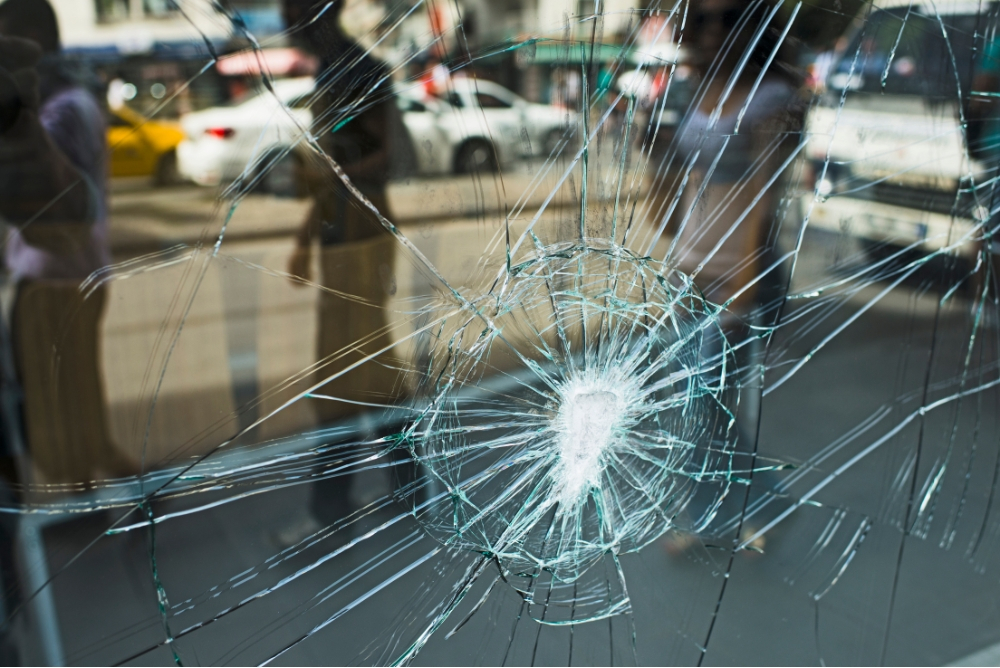
Tempered glass and safety glass reduce the risk of serious injury when broken, but they are not automatically resistant to forced entry. Depending on the entrance design, additional security glazing or security window film could improve protection. Security window film helps hold shattered glass together after impact, making it more difficult to quickly break through the glass and gain access to the door lock or handle.
Keep keys, bags and other valuables out of sight from front door glass. If the panel provides a clear view into the home, blinds or privacy treatments will also make it harder for potential intruders to assess the property.
6. Upgrade to a Security Screen Door
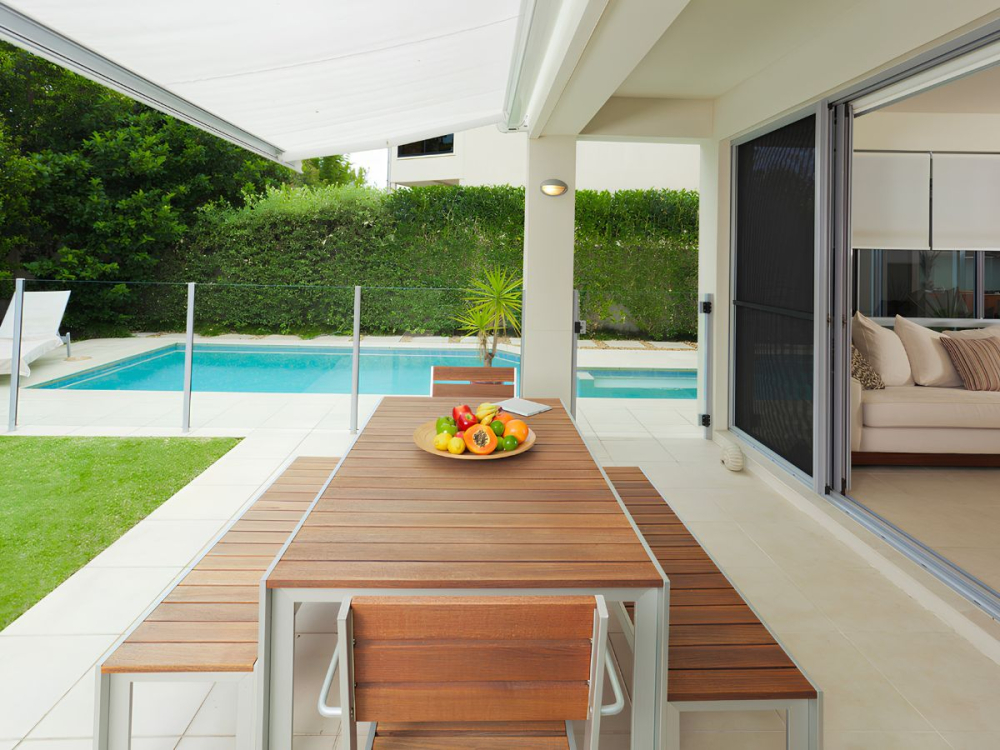
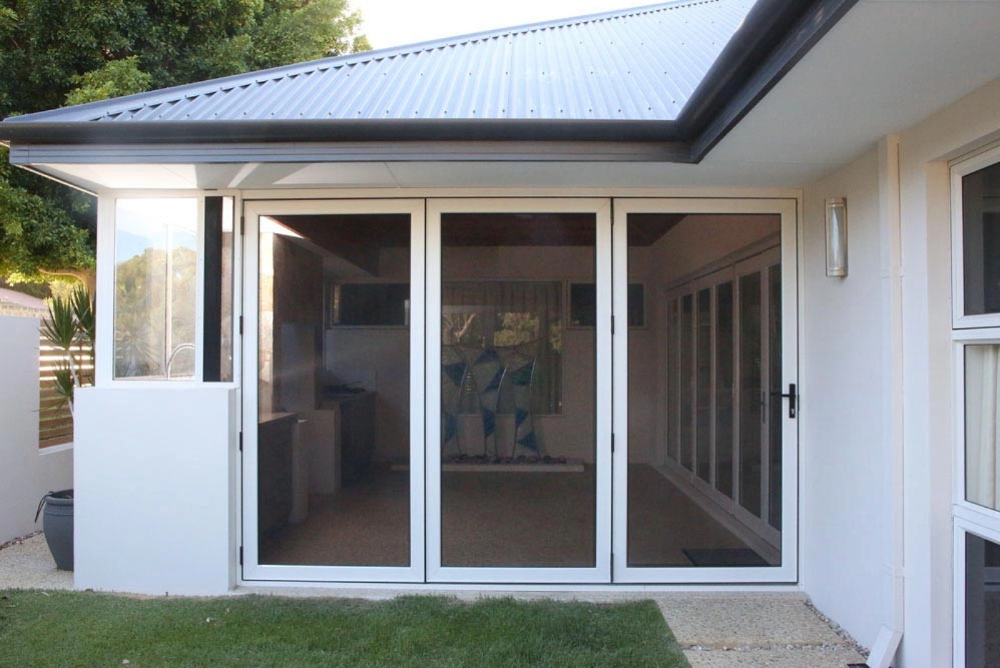
One of the most effective ways to make your front door more secure is to add a purpose-built security screen door with a multi-point locking system.
A multi-point lock secures the door at several positions rather than relying on one locking point near the handle. When engaged, the system sits inside the door and connects it to the frame at multiple points. This helps distribute force and makes the door more difficult to lever or pull away from the frame.
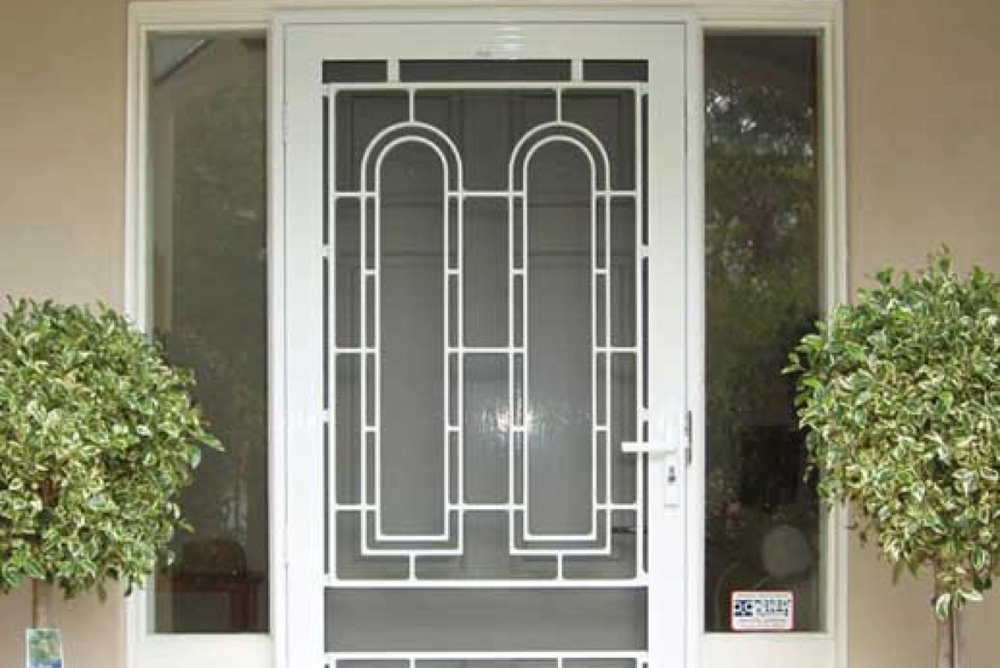
Clearview’s security door range secures the door at three locking points for stronger protection. If you want to improve security while retaining the character and style of your front entrance, decorative security doors provide a more traditional-looking option that can complement the design of the home.
Our Crimsafe security doors use stainless-steel mesh secured to an aluminium frame with tamper-resistant screws and patented Screw-Clamp™ technology. The system is designed to transfer impact around the frame and help the mesh remain in place during an attempted break-in.
7. Add Motion Sensor Security Lights and Cameras
Improving door security is not limited to the physical door. The surrounding area also affects how comfortable an intruder feels approaching the entrance.
Motion sensor security lights draw attention to movement and remove dark areas around the front door. Position the light so it covers the pathway and entry point without shining directly into neighbouring properties or creating glare that affects your security camera.
A visible security camera provides another deterrent and helps record activity around the entrance. Video doorbells are useful for monitoring visitors, deliveries and movement while you are away from home.
How Often Should You Check Your Front Door Security?
Inspect your front door at least once a year and whenever you notice a change in how it opens, closes or locks. You should also review the entrance after moving into a new home, losing a key or experiencing an attempted break-in.
Look for:
- Loose door handles or locks
- Cracks around the door jamb
- Rust or corrosion
- Worn seals
- Misaligned locking points
- Loose hinges
- Damaged mesh or glass
- Gaps between the door and frame
- Changes in smart lock performance
Test each lock and make sure the door shuts cleanly. A lock that does not engage fully might indicate movement in the frame or hinges. Addressing these issues early helps maintain both security and everyday operation.
Improve Your Front Door Security With Clearview Security
There is no single product that makes every entrance secure. Strong door materials, reinforced frames, quality door locks, protected hinges, good lighting and correctly installed security screens all play a role in preventing forced entry.
Clearview Security supplies and installs security doors, windows and screens designed and tested to meet relevant Australian Standards. With more than 25 years of industry experience, our team provides made-to-measure solutions designed around each property.
Contact our team for advice and a free quote to improve your front door security.
Frequently Asked Questions
The best approach is to strengthen the entire entrance rather than one component. Use a solid exterior door, reinforced frame, quality locks, secure hinges and a properly installed security screen door.
Steel, fibreglass, composite and solid wood doors all provide strong options when fitted within a reinforced frame. The most secure front door also needs quality locks, strong hinges and professional installation.
A deadbolt provides greater resistance than a basic spring-loaded latch. For reliable protection, the deadbolt should extend fully into a reinforced strike plate secured to the structural framing.
A multi-point locking system secures a door at several positions along the frame. Three locking points distribute force more effectively than a single lock, making the door harder to lever or force open.