When you’re planning a bathroom renovation or adding ventilation to a compact room, a hopper window might be the perfect solution. This inward-tilting window style works brilliantly in small spaces where other window types simply won’t fit.
At Clearview Security, we understand that choosing the right windows for your Perth home means balancing fresh air, natural light and security, which is why many of our clients pair new windows with window security screens for complete peace of mind.
What is a Hopper Window?
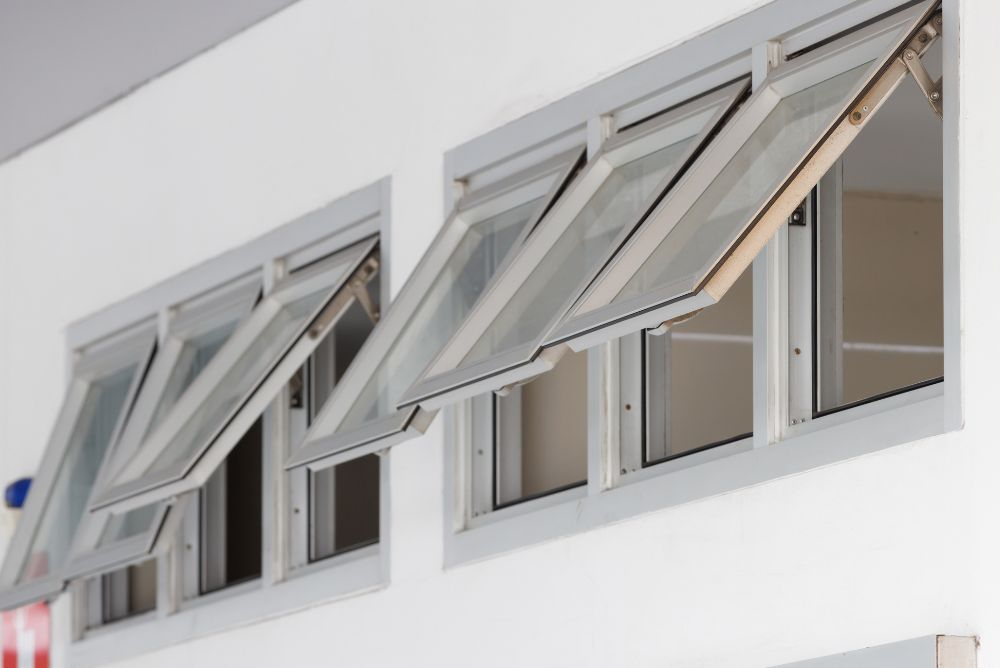
A hopper window features a bottom-hinged sash that tilts inward from the top when you open it. Think of it like a small door that swings towards you rather than away. This inward-opening design makes hoppers particularly useful in rooms where you can’t have a window swinging outward into a garden bed or walkway.
The operating mechanism is straightforward. Most hopper windows use a simple latch at the top or a crank mechanism at the bottom. When you release the latch or turn the crank, the window pane tilts inward, creating an opening at the bottom. This design creates an airtight seal when closed, which helps with both energy efficiency and keeping dust out during Perth’s dry summers.
Pros and Cons of Hopper Windows
Like any window style, hoppers have significant benefits, but they can also develop issues over time. Being aware of both advantages and potential problems helps you maintain them properly.
Pros of Hopper Windows
- Space-saving design: The inward tilt doesn’t intrude on outdoor areas like patios, making hopper windows perfect for narrow courtyards, multi-storey homes and rooms with limited exterior clearance.
- Easy cleaning: You can wipe both sides of the glass from inside your house, which is a big advantage if the window sits above a bathtub or in a high-set basement.
- Weather protection: The inward opening keeps rain out even when the window is ajar, so you can ventilate during light rain without water pooling on your sill.
- Security: When paired with keyed locks and quality mesh screens, hopper windows offer strong break-in resistance. The inward opening restricts leverage from outside.
- Energy-efficiency: Hopper frames accept double glazing and low-E glass, and the compression seal around the sash minimises drafts when closed.
Cons of Hopper Windows
- Limited opening angle: Most hopper windows tilt 30 to 45 degrees, which provides less airflow than a fully open casement or awning window.
- Interior clearance: Because the sash opens inward, you need to keep the area below the window clear. That can be an issue if you have shelving, a toilet cistern or other fixtures directly beneath.
- Moisture buildup: In high-humidity rooms, condensation can collect on the inside frame if the room lacks adequate ventilation or trickle vents.
- Hardware wear: The bottom hinges carry the full weight of the sash, so they may need tightening or replacement over time.
Hopper Windows vs Awning Windows
People often confuse hoppers with awning windows because they look similar when closed. Awning windows are hinged at the top and open outward from the bottom, creating a small awning effect that sheds light rain while you’re letting fresh air in. Hopper windows do the opposite, hinging at the bottom and tilting inward from the top. This difference matters in practical terms:
- Installation position: Awning windows work well above eye level or in exposed positions. Hoppers suit lower walls, basements and tight spaces.
- Rain protection: Awning windows open outward, so they can stay open during light rain without water entering. Hoppers need to close when rain arrives, though Perth’s winter fronts rarely catch you off guard.
- Interior clearance: Hoppers require clear space inside when open. Awnings need exterior clearance.
- Cleaning: Hoppers are easier to clean because the glass tilts toward you.
Best Rooms for Hopper Windows
Hopper windows shine in specific situations where other window types create problems.
Bathrooms
These are the most common homes for hoppers. The compact design fits perfectly in the narrow wall space above a bathtub or beside a shower. You get excellent ventilation to reduce moisture buildup without needing a wide window opening. The inward tilt means you can open the window even if there’s a garden tap or air-conditioning unit mounted outside.
Laundry Rooms
These benefit from the same advantages. Hoppers provide airflow to help clothes dry and reduce humidity, while the small size works in the limited wall space typical of Australian laundries.
Basements
Basements suit hoppers particularly well. If you’re converting a basement or installing egress windows in lower-level rooms, hoppers can fit into short wall sections where the ceiling height is limited. The inward opening means you don’t need to worry about garden beds or paving blocking the swing.
Tight Spaces
If there are tight spaces anywhere in your house, they can accommodate hoppers. Think narrow walls between doors, small utility rooms or even caravans and granny flats where every centimetre counts.
Energy Efficiency and Glazing Options for Hopper Windows
Perth’s hot summers and mild winters make energy-efficient windows a sensible investment. Hopper windows can be fitted with various glazing options to suit your budget and climate needs.
Single Glazing
Single glazing is the most affordable option and works adequately with the moderate climate in Perth. For rooms that face west and cop the afternoon sun, you might want to consider upgrades.
Double Glazing
Double glazing adds a sealed air gap between two panes of glass, reducing heat transfer. This keeps rooms cooler in summer and warmer on cold winter mornings. The extra cost depends on frame size and glass type, but the improvement in comfort is noticeable.
Low-E Coatings
According to YourHome, low-emissivity glass coatings, or more commonly known as Low-E coatings, reflect infrared light while allowing visible light through. This means natural light without as much heat gain. Low-E glass works particularly well in west-facing bathrooms that would otherwise turn into saunas by 4 pm.
Tinted or Reflective Glass
Tinted or reflective glass reduces glare and heat but also cuts natural light. Consider this option carefully for small rooms where you want brightness.
The frame material affects energy performance, too. Aluminium frames conduct heat unless they include thermal breaks. Timber and vinyl frames provide better insulation naturally. For coastal areas from Mindarie to Rockingham, powder-coated aluminium or stainless hardware resists salt corrosion better than standard finishes.
Installation Tips: Custom Sizes and Hardware
Hopper windows come in a range of standard sizes, but custom sizes are readily available for renovations where wall openings don’t match current standards.
- Standard sizes typically range from 400mm to 900mm wide and 300mm to 600mm high. These suit most bathroom and laundry applications.
- Custom sizes cost more but solve tricky renovation problems. If you’re replacing old windows in a Federation home or fitting windows into a basement conversion, custom sizing ensures proper fit and weatherproofing.
Frame Materials
- Aluminium (lightweight, low maintenance, suits coastal areas with proper coating)
- Timber (traditional look, good insulation, needs regular maintenance)
- Vinyl (affordable, good insulation, limited colour options)
Recommended Hardware
Hardware quality makes a significant difference in how well your hopper window performs over time. Look for:
- Stainless steel hinges (316 grade for coastal suburbs)
- Multi-point locking systems for security
- Quality seals and weatherstripping
- Smooth-operating crank mechanisms or easy-release latches
Perth’s coastal environment is tough on window hardware. Salt air accelerates corrosion, so specifying marine-grade fittings adds years to your window’s lifespan.
Protect your Home With Clearview Security
If you’re renovating an older home, converting a basement or simply replacing worn-out windows, pairing hoppers with quality security screens ensures you meet building codes while keeping your family safe. Our experienced team in Perth can help you choose security screens that complement your new windows and provide the protection your home deserves.
Ready to improve home ventilation and security in your home? Contact us for a free quote on security screens that work perfectly with your hopper windows.
Frequently Asked Questions
What is the difference between a casement window and a hopper window?
Casement windows hinge on the side and swing outward like a door, while hopper windows hinge at the bottom and tilt inward from the top. Casements provide wider openings and unobstructed views, making them ideal for living areas. Hoppers work better in tight spaces like bathrooms, where you need ventilation without requiring exterior clearance. Both styles offer good airtight seals when closed.
Do hopper windows have screens?
Yes, hopper windows can have screens. Because they open inward, the screen is usually fitted on the inside of the frame rather than the outside, like other window styles. Many homeowners install security screens as it allows them to keep the window open for ventilation while still protecting their home from insects and intruders.
Are hopper windows safe?
Yes, when properly installed and maintained. For homes with young children, install restrictors on any hopper window where the sill sits above 2 metres from the ground outside. Adding security screens protects against break-ins while maintaining ventilation. Toughened glass and compliant screens are essential in bushfire zones.